
Electrical projects touch the core systems that keep a home safe, efficient, and comfortable. Whether you are adding a new circuit for a home office, upgrading an aging panel, installing outdoor lighting, or prepping for an EV charger, a little planning goes a long way. Understanding licensing, safety, permits, and how to scope work helps you avoid delays and surprises. This guide walks through practical steps to prepare for electrical service, what to ask, and smart upgrades that make sense for homes in warm, storm-prone regions.
How to Vet a Licensed Electrician Safely and Quickly
Start by confirming that any professional you consider is licensed and insured. In Texas, electricians hold state licenses, and reputable providers are comfortable sharing their license numbers and proof of liability coverage upon request. Review recent customer feedback with an eye for patterns about punctuality, cleanliness, and clear communication rather than only star ratings. You can also reference local service pages such as Q Electric in San Antonio to confirm service areas and contact options, then verify licensing details independently before you book.
Ask about scope experience relevant to your project: panel replacements, dedicated circuits, EV charger readiness, whole-home surge protection, or aluminum-to-copper pigtailing, for example. A dependable contractor will explain code requirements in plain language and describe howthey'lll protect your home during the work. Request a written estimate that separates labor, materials, permit fees, and potential add-ons. That clarity reduces change orders and makes it easier to compare proposals on apples-to-apples terms.
Define the Scope and Avoid Surprise Change Orders
Walk through your goals room by room and note exact locations for new outlets, switches, fixtures, or equipment. If you want more lighting flexibility, identify whereyou'dd like three-way switching or dimmers. For home offices or media rooms, specify which receptacles need dedicated circuits or surge protection. Include any known issues warm outlets, flickering lights, nuisance breaker trips so your electrician can diagnose root causes rather than only treating symptoms.
Share photos of your electrical panel, the area around it, and any affected spaces. Note attic, crawlspace, or outdoor access conditions that could influence labor time. Ifyou'ree planning a remodel, provide floor plans and appliance specifications (especially ranges, dryers, HVAC, and EVSE) the more precise your input, the more accurate the estimate. Consider a contingency line in your budget for hidden conditions inside walls or ceilings older homes sometimes reveal splices, undersized boxes, or ungrounded circuits that need correction during the job.
Safety Steps to Take Before the Electrician Arrives
Clear safe access to the electrical panel, attics, and work areas. Move furniture and fragile items, and secure pets in another room. If work involves ceiling fixtures or fans, remove décor that could be knocked loose and cover nearby surfaces to catch dust. Ask the electrician whether you should turn off specific breakers before they arrive; many will prefer to perform shutdowns themselves, but communicating in advance prevents surprises.
Expect short power interruptions during some tasks. Keep refrigerators closed, save work on computers, and plan around sensitive electronics. If someone in the home relies on powered medical equipment, coordinate the schedule to minimize risk and consider temporary backup power. Good contractors will outline how they'll lock out circuits while working and how they'll test for absent voltage before starting each task.
Permits, Codes, and Inspections in Texas Homes
Permitting and inspection rules vary by city and county, but many electrical projects panel changes, service upgrades, new circuits, and remodel wiring do require permits. Reputable electricians typically obtain permits on your behalf and schedule final inspections. Expect modern code requirements to appear in your scope: tamper-resistant receptacles in living areas, GFCI protection in kitchens, bathrooms, garages, and outdoors, and AFCI protection in many habitable rooms. Grounding and bonding upgrades may also be needed when replacing panels or adding new equipment. When a project is permitted and inspected, you gain a record that can help with resale and insurance, and you reduce the risk of costly rework later.
Smart Electrical Upgrades for Warm, Storm-Prone Regions
Whole-home surge protection is increasingly important in areas with frequent lightning or grid fluctuations. A Type 1 or Type 2 device at the service entrance helps protect appliances, HVAC systems, and electronics; many homeowners pair it with point-of-use surge strips for layered defense. If your panel is nearing capacity or shows signs of heat or corrosion, upgrading it can improve safety and provide room for future circuits, like an EV charger or workshop tools.
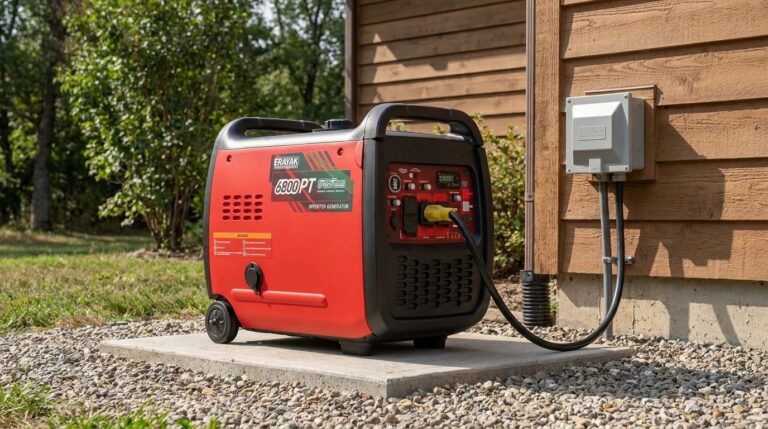
Ceiling fans rated for outdoor use can make porches and patios more livable in hot weather, while smart thermostats and properly sized HVAC circuits support energy efficiency. Consider adding dedicated freezer or server circuits to avoid nuisance trips. Kitchens and baths benefit from GFCI protection and brighter, efficient lighting. Outdoors, install in-use (bubble) covers, weather-resistant receptacles, and appropriately rated fixtures. For outage readiness, ask about generator interlock kits or transfer switches that let you power essentials safely without backfeeding the grid.
Timing, Budget, and What to Expect on the Day
Most small projects adding a circuit, replacing a few fixtures can be done in hours. Panel upgrades or whole-home rewiring take longer and may require power to be off for part of a day. Confirm start times, estimated duration, and whether someone must be home for access. Keep phone lines open in case the crew needs quick decisions on fixture placement or box locations. When the work wraps, your electrician should label breakers, provide a walkthrough of changes, and explain any maintenance tasks or warranty terms for materials they supplied.
A thoughtful approach makes electrical projects smoother and safer. Define your goals clearly, choose a licensed and insured professional, and prepare your space so work can start promptly. Planning for code compliance, inspections, and a few strategic upgrades can increase comfort, resilience, and resale value. With solid preparation and clear communication, you'll turn a complex system into a straightforward home improvement.