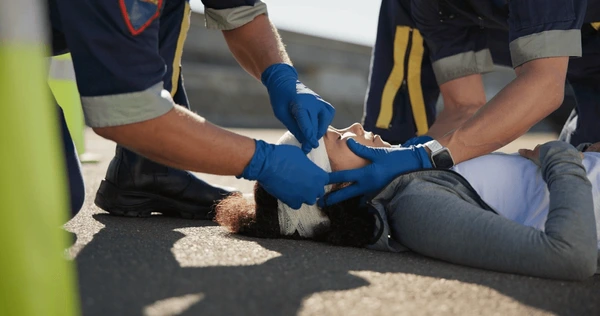
An accident in West Texas can leave you dealing with injuries, vehicle damage, medical expenses, and questions about what to do next. Long stretches of two-lane highway, heavy oilfield and commercial truck traffic, and long distances to the nearest hospital all shape what happens after a crash in this part of the state. Taking the right steps soon after the accident can help protect important evidence and create a record of what happened. Texas law also places deadlines on personal injury claims, so waiting too long can affect your legal options.
If you were injured, speaking with an experienced attorney can help you understand the claims process and the laws that may apply to your situation. In the meantime, documenting the accident, getting appropriate medical care, and keeping records of your expenses can help preserve information that may be relevant to an insurance claim or potential lawsuit.
Why Accidents in West Texas Can Be More Serious
Crashes in the Permian Basin tend to be more severe than in the rest of the state. A Texas A&M Transportation Institute study reported by the Texas Tribune found that about 15 of every 1,000 crashes in the region involved at least one death, compared with a statewide average of 7 per 1,000. The researchers pointed to single-lane rural highways carrying urban-level traffic and a high share of commercial vehicles.
Statewide, TxDOT’s 2025 crash data shows 3,769 people died in Texas traffic crashes, and roughly half of those deaths occurred on rural roads. When a collision involves an 18-wheeler, a company work truck, or a vehicle owned by an employer, more than one insurance policy may be involved, and evidence such as driver logs or vehicle data can matter.
Get Medical Care, Even If You Feel Fine
Some accident injuries are not obvious at first. According to the Mayo Clinic, whiplash symptoms most often start within days of the injury, and concussion symptoms may appear right away or in the hours and days that follow. Getting evaluated promptly helps identify injuries and creates a medical record that connects your treatment to the crash.
Keep copies of medical bills, test results, prescriptions, and other treatment records. A gap between the accident and your first visit is something insurers often point to when questioning whether an injury was caused by the crash.
Report the Accident and Get the Crash Report
Under Texas Transportation Code § 550.023, drivers involved in a crash that injures someone or damages an attended vehicle must share their name, address, vehicle registration number, and insurer, show their driver’s license if asked, and give reasonable help to anyone injured.
The Texas Department of Insurance recommends calling the police if someone is hurt or the other driver leaves the scene, and getting a copy of the report. When officers investigate a crash involving injury, death, or apparent property damage of $1,000 or more, they must submit a report to TxDOT within 10 days. You can later purchase the officer’s crash report (CR-3) from TxDOT for a small fee.
Gather Evidence at the Scene
If your condition allows, collect:
- Photos or videos of all vehicles, license plates, and damage
- Pictures of the roadway, traffic signs, skid marks, and weather or lighting conditions
- Photos of visible injuries
- Names and phone numbers of witnesses
- The other driver’s license, insurance card, and policy number
- For a commercial vehicle, the company name and any USDOT number on the truck
The Texas Office of Public Insurance Counsel also recommends getting witness contact information and photographing damage or injuries. Write down what you remember while details are fresh, and avoid guessing about facts you do not know.
Notify Your Insurance Company
Texas insurance regulators recommend reporting an accident to your insurer as soon as possible, and your policy may set its own reporting deadlines. Ask for the adjuster’s name and phone number, provide accurate information, and keep copies of all correspondence.
Texas is an at-fault state, so the other driver’s liability insurer is generally responsible for your repairs, medical bills, and rental car if that driver caused the crash. If the other driver was uninsured or left the scene, your own coverage may help. Personal injury protection (PIP) or medical payments coverage can pay medical bills, and uninsured/underinsured motorist coverage can pay for repairs, a rental car, and pain and suffering.
Be careful with recorded statements and quick settlement offers from the other driver’s insurer. Accepting a settlement usually ends the claim, even if your injuries later turn out to be more serious.
Keep Track of Your Losses
An accident can cost more than the first round of medical bills. You may also have:
- Lost wages or reduced earning capacity
- Vehicle repair or replacement costs
- Travel to medical appointments, which can add up when specialists are in Midland, Odessa, or Lubbock
- Ongoing therapy or future medical care
Keep receipts, invoices, pay stubs, and a simple journal of how your injuries affect your daily life and work. Detailed records make it easier to show the full financial impact of the accident.
How Fault Can Affect Your Recovery in Texas
Texas uses a modified comparative fault rule. Under Texas Civil Practice and Remedies Code § 33.001, you cannot recover damages if you are found more than 50% responsible for the accident. If your share is 50% or less, your damages are reduced by your percentage of fault. Because of this rule, insurers may try to shift blame onto the injured person, which is another reason careful documentation matters.
Understand Texas Filing Deadlines
Texas generally provides a two-year limitations period for personal injury lawsuits under Texas Civil Practice and Remedies Code § 16.003. For wrongful death claims, the two years typically run from the date of death. Certain circumstances can change the applicable deadline, and claims involving government entities may require written notice much sooner, so the two-year period should not be treated as applying to every claim.
Understanding the deadline early can help prevent important legal rights from being lost because of delay.
Key Takeaways
- Seek medical attention after an accident, even if symptoms seem minor at first.
- Call the police when someone is hurt, and get a copy of the crash report.
- Photograph the scene, vehicles, injuries, and any commercial vehicle markings.
- Exchange contact and insurance information with the people involved.
- Notify your insurer promptly and be cautious with early settlement offers.
- Keep records of medical expenses, lost income, repairs, and travel costs.
- Texas generally has a two-year limitations period for personal injury claims, subject to exceptions, and recovery is barred if you are more than 50% at fault.