Feeling dizzy, unsteady, or like the room is spinning can be unsettling and disruptive. Vestibular therapy, a form of rehabilitation that targets the inner ear and brain's balance systems, is designed to help reduce these symptoms and restore confidence in daily movement. Whether your dizziness followed a viral illness, concussion, age-related changes, or conditions like benign paroxysmal positional vertigo (BPPV), understanding how therapy works can make the process less intimidating. Here's a practical overview of what vestibular therapy involves, how to prepare for your first visit, and the kinds of exercises and safety tips that can support your recovery.
How Vestibular Disorders Affect Balance
Your vestibular system parts of the inner ear and brain helps you detect head movement and position. When signals from the vestibular system don't match information from your eyes and joints, the brain receives conflicting messages. That mismatch can cause dizziness, vertigo, motion sensitivity, nausea, blurred vision with head turns, and a sense of imbalance. These symptoms often worsen when you change positions, move your head quickly, walk in busy environments, or try to focus on moving objects.
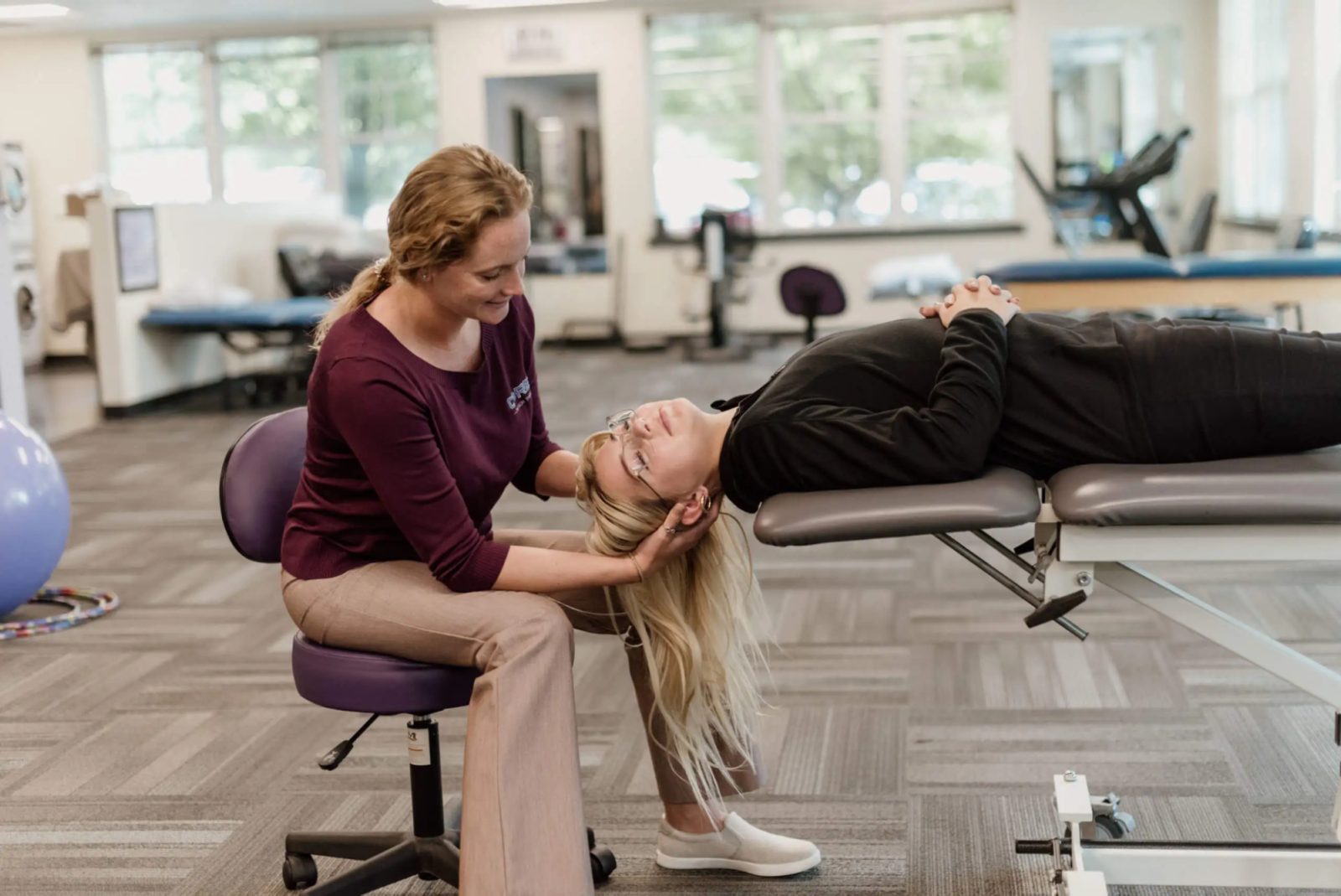
Because the causes and patterns of dizziness vary, assessment by trained Physical Therapists is important. A qualified clinician can distinguish among common issues like BPPV (often helped by canalith repositioning maneuvers), vestibular hypofunction (treated with gaze-stability training), or motion sensitivity (addressed through gradual exposure). A targeted plan helps you avoid blanket "rest" that can prolong symptoms and instead focuses on progressive, safe movement.
What Happens During Vestibular Therapy
At your first appointment, expect a detailed history and symptom review, followed by assessments of eye movements, head and neck range of motion, balance, gait, and positional testing. You might wear goggles that track eye movements in the dark, which can reveal how your vestibular system is functioning. Your therapist will look for symptom triggers, such as head turns, rolling in bed, or looking up and down, and for visual or balance challenges that bring on dizziness.
Treatment is individualized. If BPPV is identified, you may receive canalith repositioning maneuvers that move displaced crystals in the inner ear back where they belong often bringing quick relief. For vestibular hypofunction or persistent dizziness, therapy typically includes gaze-stability exercises (training your eyes to stay focused while your head moves), habituation (gradual, repeated exposure to movements that provoke symptoms, reducing their intensity over time), and balance training (progressing from stable surfaces to more dynamic tasks). You'll go home with a customized program to practice daily.
Preparing for Your First Appointment
Showing up prepared makes your evaluation more efficient and accurate. Bring a list of your medications, glasses or hearing aids you use regularly, and any prior test results. Note when your symptoms started, what makes them better or worse, and how they affect daily tasks driving, reading, computer work, grocery shopping, or quick head turns. If possible, ask a friend or family member to drive you to the first visit, in case certain tests briefly increase dizziness.
Dress for movement: supportive shoes and comfortable clothing. Avoid excessive caffeine or alcohol before your evaluation, and eat a light meal to reduce nausea. Some tests can provoke temporary symptoms; this is expected and helps identify the root cause. Plan a lighter schedule afterward to rest if needed. Finally, bring questions about expected timelines, home exercises, and strategies for work or school while you recover so you leave with a clear plan.
Exercises You May Learn at Home
Home programs are the backbone of vestibular rehab. You may receive gaze-stability drills such as focusing your eyes on a letter while turning your head side to side or up and down, progressing speed and background complexity over time. Habituation exercises might include repeated, controlled exposure to movements that trigger symptoms like bending forward, rolling in bed, or turning your head to build tolerance. Balance work can range from standing with feet together and eyes closed to walking while turning your head, then advancing to uneven surfaces or dual-task activities.
Consistency matters more than intensity. Short, frequent sessions often a few minutes several times per day tend to outperform sporadic long sessions. Expect some symptom provocation during practice; mild, short-lived increases are normal and signal your system is being challenged. However, exercises should not cause prolonged symptoms that derail your day. Share your responses at follow-up visits so your therapist can adjust difficulty, frequency, and progression.
Safety Tips and Symptom Management
Prioritize safety, especially early on. Clear walkways at home, use handrails on stairs, and add night lighting in hallways and bathrooms. When symptoms spike, sit or lie down to prevent falls. For tasks that require quick head turns cooking, childcare, or driving build tolerance gradually and avoid multitasking until your therapist clears you. If driving triggers symptoms, postpone it during flare-ups and practice visual and head-movement drills first in a controlled environment.
Outside of exercise time, steady exposure to normal activities often helps recovery more than strict rest. That said, avoid pushing through severe dizziness or lingering nausea. Sudden hearing loss, severe headache, fainting, slurred speech, double vision, or weakness are red flags seek urgent medical care if these occur. Communicate any medication changes to your therapist, as some drugs can affect vestibular function or adaptation.
Tracking Progress and Setting Expectations
Recovery timelines vary. BPPV may improve in a few sessions, while vestibular hypofunction or motion sensitivity can require several weeks of steady work. Progress is rarely linear good days and occasional setbacks are common as you challenge your system. Track milestones that matter to you: walking in busy stores without unsteadiness, reading without eye strain, or turning your head while talking without losing balance. These real-life wins often show up before symptoms disappear entirely.
Expect your plan to evolve. As your tolerance improves, your therapist will increase complexity faster head turns, busier visual backgrounds, outdoor walking on varied terrain, and dual-tasking like counting or carrying a bag while turning your head. This progression prepares you for the moving, visually complex world outside the clinic so gains hold up during work, social activities, and exercise.
Living with dizziness can feel isolating, but vestibular therapy provides a structured, evidence-informed path forward. With a clear assessment, consistent practice, and thoughtful safety strategies, many people regain steadier balance and confidence in motion. Set realistic goals, keep open communication with your care team, and measure progress by what matters in your daily life. The combination of targeted exercises and gradual return to normal activity helps your nervous system recalibrate so you can move, focus, and engage more comfortably again.