Buying a plant is convenient. You bring it home, find the right spot, and much of the early work has already been done. Growing from seed feels different. It takes more patience, but it also lets you see how a garden develops from the very beginning.
For new gardeners, starting with seeds can turn an ordinary planting project into a hands-on hobby. You learn to pay attention to growing conditions, recognize small changes, and understand what different plants need. Even if you eventually prefer buying young plants, raising something from seed at least once can teach you lessons that are useful throughout the garden.
You See the Whole Growing Process
One of the biggest differences between buying a mature plant and starting from seed is how much of the plant's life you get to observe.
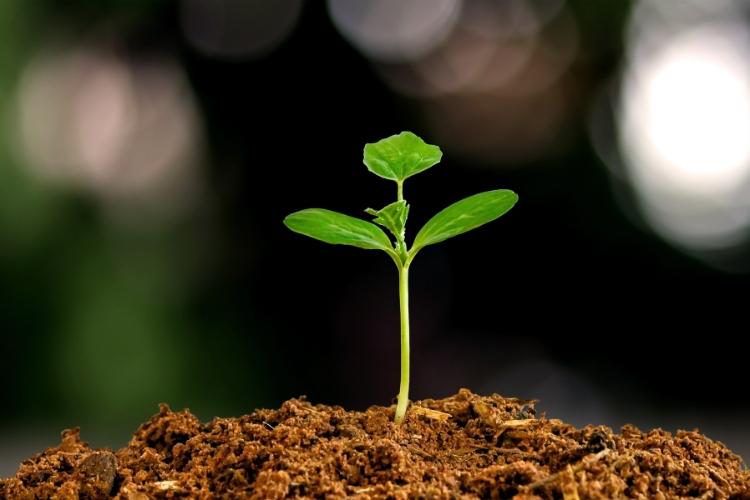
At first, there is not much to see. Then a seed germinates, a shoot appears, and the plant gradually develops. Watching those changes encourages you to notice details you might overlook when you start with an established plant.
You start asking practical questions. Is the soil staying too wet? Is the seedling getting enough light? Does it need more room? When should it move into a larger container or a permanent place in the garden?
These questions turn gardening into an active learning process. Mistakes can happen, of course, but a failed attempt can show you that a particular location receives too little light or that your watering routine needs adjusting.
Seeds Give You More Ways to Personalize a Garden
Starting from seed can also make garden planning more interesting. You can research different seed types and choose what fits your space.
Your choices should still be practical. A plant needs a suitable place to grow, so consider available room, light, climate, and the care you can realistically provide.
Different interests can shape the garden, too. A keen cook might concentrate on vegetables and herbs. Someone interested in landscaping may choose flowers and ornamental plants. Other gardeners may become interested in specialist categories. Pacific Seed Bank, for example, specializes in cannabis and marijuana seeds, which shows how specific home-growing interests can become their own area of gardening.
Researching Seeds Becomes Part of the Hobby
Seed shopping is more useful when you know what you are looking for. A picture or interesting name may catch your attention, but neither tells you whether the plant makes sense for your home.
Before ordering, consider where the plant will grow and what conditions you can provide. Useful questions include:
- How much growing space do I have?
- Will the plant live indoors or outdoors?
- What light conditions are available?
- How much ongoing attention can I give it?
- Do any local rules apply to growing this plant?
This becomes particularly important when moving beyond familiar flowers, herbs, and vegetables.
Specialist plants may introduce terminology and choices that are new to beginners. Someone researching cannabis seeds where purchasing and cultivation are lawful, for instance, could look at the pacific seeds while also learning about the requirements of the plants they are considering.
Resist the urge to buy immediately. Read the available information, compare it with your growing environment, and narrow down your choices.
Starting Small Makes Gardening Easier to Learn
Seed catalogs and online stores can make it tempting to imagine an entire garden at once. For a beginner, however, a modest first project is often easier to manage.
Choose a few plants that genuinely interest you. This gives you enough time to observe each one without turning watering, checking, and general care into an overwhelming routine.
Keep the setup simple as well. Depending on what you grow, you may already have containers or basic gardening equipment you can reuse. There is little reason to fill a shed with specialist tools before you know which parts of gardening you enjoy.
It also helps to label what you plant. Once several pots or seed trays are sitting together, remembering exactly what went where can become surprisingly difficult.
Growing From Seed Teaches Patience
Gardening rarely follows your preferred schedule. Seeds do not become mature plants simply because you are eager to see results.
That waiting period is part of what makes growing from seed different. Some days, nothing seems to be happening. Constant interference can create problems, especially if impatience leads to unnecessary watering or repeatedly moving containers around.
Instead, learn what the plant requires and give it time.
Patience also helps when something goes wrong. A seed may fail to develop, or a young plant may struggle after initially looking healthy. Instead of seeing every problem as a reason to give up, use it to review your setup.
Check your watering habits, light, temperature, soil or growing medium, and other relevant conditions. Gardening skills develop through observation as much as instruction.
It Can Change How You Plan Future Gardens
After raising plants from seed, you have something more useful than generic gardening advice: experience from your own home.
You will have a better sense of where sunlight falls, which areas are awkward to water, how much gardening fits into your schedule, and which plants interest you. Those observations can guide future decisions.
You may decide to grow more varieties next time. Alternatively, you might discover that a few carefully chosen plants suit you better than a large garden.
Either result is useful. Gardening does not need to become an all-consuming hobby to be rewarding. A windowsill, balcony, patio, backyard bed, or dedicated indoor area can all provide opportunities to experiment with growing from seed.
Final Thoughts
Growing from seed asks for a little more involvement than bringing home an established plant, and that is exactly why it is worth trying. You get to observe the growing process from the beginning, learn how plants respond to your particular environment, and make more informed choices about future gardening projects.
Start with a manageable number of seeds, research what each plant needs, and keep notes about what happens. Some attempts may work better than others, but perfection is not the point.
Raising even one plant from seed can give you a much better understanding of what is happening in your garden and may change the way you approach growing plants in the future.