
By a roofing industry contributor.
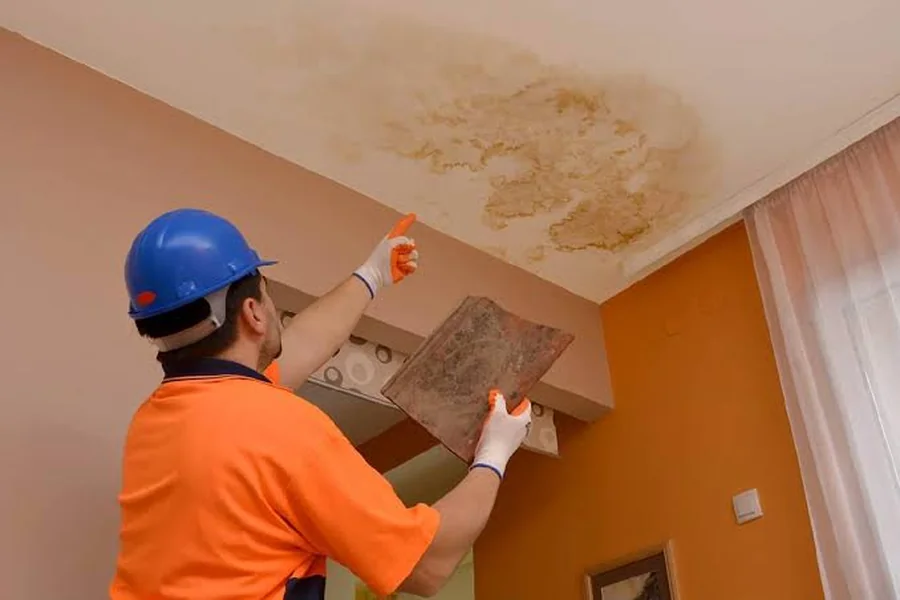
That dark spot on your ceiling feels like a verdict. The immediate assumption is a roof leak, triggering calls for emergency repairs or even a full replacement. But what if the problem isn’t your roof at all? Misdiagnosing the source of water intrusion is one of the most expensive mistakes a property owner can make. You could spend thousands on a new roof only to see the stain reappear because the real culprit was attic condensation, a faulty pipe boot, or improperly installed wall flashing.
This diagnostic challenge is becoming more common. The roofing industry is vast, with the U.S. Bureau of Labor Statistics reporting over 135,140 roofers employed as of May 2023. With the field projected to add around 12,000 openings per year through 2035, according to a separate BLS forecast, the range of experience levels you might encounter is wider than ever. Distinguishing a symptom from a root cause requires a systematic approach. A proper evaluation, whether for commercial or residential Reliable Roofing and Restoration Denver, must go beyond a simple shingle inspection. It involves checking attic ventilation, siding interfaces, and plumbing stacks to build a complete picture of how the building is performing.
Before you approve any work, you need a confident diagnosis. Understanding the common points of failure, and how professionals distinguish them, is your best defense against unnecessary work and recurring problems. This guide breaks down the most frequent diagnostic errors and gives you a framework to ask better questions.
Quick answer: The most expensive roofing mistakes often stem from misdiagnosing the problem. Water intrusion can be caused by poor attic ventilation, siding failures, or ice dams, not just failed shingles. The key is to insist on a holistic inspection that examines the entire building envelope before committing to a costly replacement.
What’s inside
· Is It a Leak or Is It Condensation?
· Why Focusing Only on Shingles Is a Mistake
· How Do I Vet an Insurance Claim Specialist?
· What Questions Uncover Hidden Costs in an Estimate?
· Frequently Asked Questions
· The Difference Between a Price and a Plan
Is It a Leak or Is It Condensation?
This is the critical first question, as misdiagnosing condensation as a leak leads to expensive and ineffective repairs.
Your home generates significant moisture from daily activities like cooking, showering, and even breathing. This warm, humid air rises. If it escapes into a cold attic through gaps around light fixtures or an unsealed attic hatch, it will condense on the cold underside of your roof deck. This process creates drips that look exactly like a roof leak, but the source is inside your house, not outside.
Getting this diagnosis wrong is costly. You end up paying for skilled labor to solve a problem that doesn’t exist on your roof. With the mean hourly wage for roofers at $26.85 and a mean annual wage of $55,840 as of May 2023, per the U.S. Bureau of Labor Statistics, labor is a major project expense. Every hour spent replacing perfectly good shingles is an hour not spent fixing the actual issue: ventilation.
A thorough inspector will look in the attic before they get on the roof. They are checking for signs of poor ventilation, which is the primary cause of condensation.
❝ A common building science standard is the 1/300 rule for attic ventilation. This calls for one square foot of net free vent area for every 300 square feet of attic floor space. This ventilation must be balanced, with about half for intake (at the soffits or eaves) and half for exhaust (at the ridge).
Ask an inspector to check for this balance. Look for blocked soffit vents, which are a common culprit. Unlike a classic leak stain with distinct brown “tide lines” that appears after a storm, condensation damage can look like diffuse dampness, frost in winter, or even dark mold spread across the sheathing. The fix isn’t new shingles. It’s improving ventilation by clearing intakes and ensuring proper exhaust, and air-sealing the ceiling plane to keep your conditioned air out of the attic.
Why Focusing Only on Shingles Is a Mistake
A thorough roof inspection evaluates the entire system, not just the surface materials you can see from the street.
Focusing only on shingles is like a doctor checking your temperature but ignoring your blood pressure. The shingles are the most visible part, but they are only one component of a complex system. The real points of failure are often at the penetrations and transitions. These include the flashing around chimneys, the seals on plumbing vent pipes, and the integrity of the drip edge along the eaves. A small gap in the flashing can let in significant water, even if every shingle on the roof is in perfect condition.
This is where a detailed inspection process separates professionals from salespeople. An inspector should get into your attic to look for “shiners” (nails that missed the rafters) and signs of water tracking down the rafters. They should walk the entire roof, physically lifting shingles in suspect areas to check the underlayment and decking beneath. They should also examine the gutters for an excessive amount of granules, which indicates advanced shingle wear.
❝ Ask your inspector to explain the condition of three specific components: the step flashing along any walls, the boot on your main plumbing vent stack, and the condition of the underlayment. Their ability to describe the status of these hidden items, not just the visible shingles, reveals the depth of their inspection.
A proper diagnosis might conclude that you do not need a full replacement. You may only need a targeted repair on a specific flashing detail. This can save you thousands of dollars and extend the life of your existing roof. Insisting on a system-wide evaluation protects you from paying for a solution that doesn’t address the actual problem.
How Do I Vet an Insurance Claim Specialist?
You vet them by asking for proof of their experience navigating the claims process, not just their experience installing roofs.
When your roof is damaged in a storm, you are not just hiring a roofer. You are hiring an advocate who needs to speak the same language as your insurance adjuster. The key difference is their ability to produce a detailed, line-item scope of work that aligns with insurance software like Xactimate. A simple one-page “estimate” for a new roof will almost certainly be rejected, causing delays and frustration.
A major red flag is a contractor who pressures you to sign a “contingency agreement” on the spot. This document can lock you into using their services if the insurance claim is approved, sometimes before you have even seen a detailed proposal or had a chance to compare options. You should always have the right to review the full scope and cost before committing. The Federal Emergency Management Agency (FEMA) advises property owners to be wary of high-pressure tactics and to get multiple bids, especially after a natural disaster.
Instead of a vague estimate, ask for a report that documents the damage with photos and provides a line-item breakdown. This should include quantities and costs for every component, from the specific type of underlayment and ice-and-water shield to the number of plumbing pipe boots and linear feet of ridge vent. This level of detail is non-negotiable for an insurance claim. It demonstrates that the contractor has done a thorough assessment and can justify the replacement to the adjuster. A contractor who works on insurance claims regularly will have this documentation process down to a science.
What Questions Uncover Hidden Costs in an Estimate?
The most effective questions are not about the price itself, but about what is missing from the proposal.
A low bid often wins the job by omitting crucial line items, which then reappear as expensive “surprises” or change orders once work has begun. A detailed, multi-page estimate is a sign of a thorough professional, while a one-page quote is a major red flag. Your goal is to force clarity on three key areas where costs are often hidden: decking, underlayment, and flashing.
First, ask how the estimate accounts for potentially damaged roof decking. The condition of the OSB or plywood sheathing underneath your shingles is an unknown until the tear-off is complete. A low-ball estimate often assumes the decking is in perfect condition. A professional proposal will include a specific, per-sheet price for replacing any rotted or delaminated decking found during the job. This protects you from an open-ended charge later. Without this clause, a contractor can name any price they want once your roof is exposed.
Second, probe the specifics of the underlayment and ice-and-water shield. Don’t just ask if underlayment is included; ask for the specific brand and type. Is it a basic felt paper or a modern synthetic underlayment, which offers better water resistance and durability? Furthermore, ask where an ice-and-water shield will be installed. This self-adhering membrane is critical for preventing leaks from ice dams along eaves and in valleys. In many regions, its installation is a building code requirement, not an optional upgrade. The International Code Council’s International Residential Code (IRC) outlines specific requirements for its use in colder climates.
❝ Ask the estimator: “If you use a different brand of starter strip or underlayment than the shingles, does that void the shingle manufacturer’s system warranty?” This single question reveals their knowledge of product compatibility and whether they are prioritizing a true system warranty or just cutting costs with mismatched components.
Finally, clarify the plan for all flashing. Flashing is the metal work that seals the joints around chimneys, dormers, skylights, and walls. Reusing old, failing flashing is a common corner-cutting tactic. A quality job includes new, properly installed flashing at all penetrations. Ask if the bid includes new step flashing woven into the shingles along walls, new counter-flashing set into mortar joints on a chimney, and a new boot for every plumbing vent pipe. This is skilled, time-consuming work, and its inclusion is a hallmark of a roof built to last.
Frequently Asked Questions
What is the 25% rule for roofing? The “25% rule” is a guideline found in some building codes stating that if more than 25% of a single roof section requires repair, the entire section must be brought up to current code. This often means a full replacement of that section. It is designed to prevent a patchwork of old and new materials that could fail, but its enforcement can vary by municipality and depends on the specific type of damage.
What is the cheapest time of year to get a new roof? Late fall and winter are often slower seasons for roofers, which can sometimes result in better crew availability or slightly more competitive pricing. However, this is balanced by the risk of weather delays from snow or low temperatures, which can prevent shingles from sealing properly. Material costs do not typically change much seasonally, so any potential savings are usually related to labor demand.
What’s the difference between a manufacturer’s warranty and a workmanship warranty? A manufacturer’s warranty covers defects in the roofing materials themselves, like shingles that fail prematurely. A workmanship warranty, provided by your contractor, covers errors made during the installation process. A perfectly good shingle can fail if installed incorrectly, and that failure would only be covered by the contractor’s workmanship guarantee, which is why vetting your installer is so critical.
How can you tell if a roofer is being dishonest? One of the clearest signs is the “storm chaser” tactic. This involves someone showing up unannounced after a storm, often from out of state, offering a “free” roof inspection and pressuring you to sign a contract on the spot. A reputable local contractor will have a permanent physical address, be willing to provide local references, and will never use high-pressure tactics to rush your decision.
What should I expect on the day of the tear-off? The tear-off is the loudest and messiest part of the job. Expect a full day of noise from tools and crew members walking on the roof deck. A professional crew will lay large tarps around your home’s foundation to protect landscaping and catch falling debris. They should also arrange for a dumpster to be delivered and placed carefully on your property to contain all the old material.
The Difference Between a Price and a Plan
The most common roofing mistakes stem from a single error: treating a roof replacement like a simple product purchase. It is not. You are commissioning a complex, multi-layered system where the most critical components are completely hidden from view. A low price that ignores the potential for rotted decking, reuses old flashing, or uses mismatched underlayment is not a bargain. It is a down payment on future leaks and premature failure. The shingles you see from the street are the last piece of the puzzle, not the first.
Your most effective tool is not negotiation over the final price, but interrogation of the initial proposal. The quality of a contractor is revealed in the details they provide before you ever sign a contract. A thorough, multi-page estimate that specifies materials, outlines the process for handling unknowns, and clarifies warranty conditions is the single best indicator of a professional operation. A one-page quote is a sign that you will be the one managing the surprises.
Ultimately, a lasting roof is the result of a meticulous plan, not just durable materials. Your goal is to find the contractor who demonstrates the most comprehensive plan, not the one who offers the lowest price. Shifting your focus from the cost of the shingles to the quality of the installation plan is the most important decision you will make.
About the author
Reliable Roofing & Restoration is a family-owned company providing residential and commercial roofing services in Westminster and across the Colorado Front Range. Since 1997, their team has focused on storm damage assessment, roof replacement, and assisting property owners with the insurance claims process. As a GAF Master Elite certified contractor, they work on installations designed to meet manufacturer and building code standards for the region’s unique climate challenges, including hail and high winds.