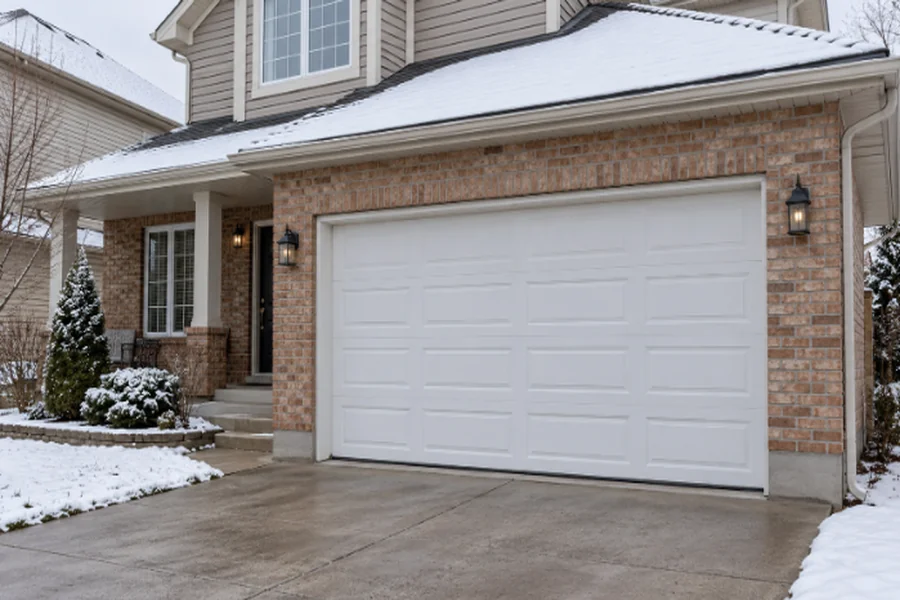
Choosing an insulated garage door for an attached garage means looking beyond the style and price. If the garage feels icy in winter or hot in summer, the door may be one reason those temperature swings are so noticeable.
A replacement can help moderate conditions, but it cannot solve every comfort problem. The best choice considers the door’s construction, weather seals, and how the garage connects to the rest of your home.
Start With How You Use the Garage
Think about whether the garage mainly holds vehicles or also serves as a workshop. A room above the garage, frequent trips through the connecting doorway, and long stretches of cold weather can make insulation more valuable.
Set realistic expectations before shopping. An insulated door slows heat transfer; it doesn’t heat the garage or guarantee lower utility bills. Walls, ceiling insulation, air leaks, and how often the door opens also affect performance.
Compare Ratings and Construction
R-value describes resistance to heat flow, with higher numbers indicating greater resistance. However, an advertised rating may describe a door section rather than the entire installed assembly.
Ask whether a tested whole-door U-factor is available. A lower U-factor indicates less heat transfer and can provide a useful comparison when products are evaluated on the same basis.
Many insulated steel doors use polystyrene panels or injected polyurethane foam. Compare actual product specifications rather than assuming every door made with one material performs equally well.
When discussing garage door installation, ask for the model name, insulation rating, panel thickness, and interior finish in writing. This makes competing estimates easier to compare without relying on energy-savings claims.
Pay Attention to Weather Seals
Insulation inside the panels cannot stop drafts around the edges. The bottom seal, perimeter weatherstripping, and fit between sections deserve just as much attention as the insulation rating.
Look for these issues before deciding to replace the door:
- Daylight visible around the sides or bottom.
- Cracked, flattened, or missing weatherstripping.
- An uneven floor that leaves gaps beneath the seal.
- Damaged panels or a door that closes unevenly.
If your existing insulated door is otherwise sound, residential garage door repair may address worn seals or alignment problems without a full replacement. Have a technician assess the cause instead of adding thicker seals that interfere with operation.
Check Windows and Hardware
Windows add daylight, but their glazing affects the door’s overall thermal performance. Ask about insulated glass and compare ratings for the window configuration you want.
A replacement door may weigh more than the old one. The installer should match the springs and other hardware to that door, then confirm opener compatibility. Adding insulation yourself can also change weight and balance.
Ask What the Estimate Includes
Ask for details on removal, tracks, springs, weather seals, opener adjustments, and warranty coverage. Ask whether the quoted price includes correcting any fitting problems.
Also check insulation and air sealing between the garage and living spaces, especially beneath a bedroom. Before the installer leaves, have them demonstrate smooth operation and explain how to inspect the seals and maintain the door.