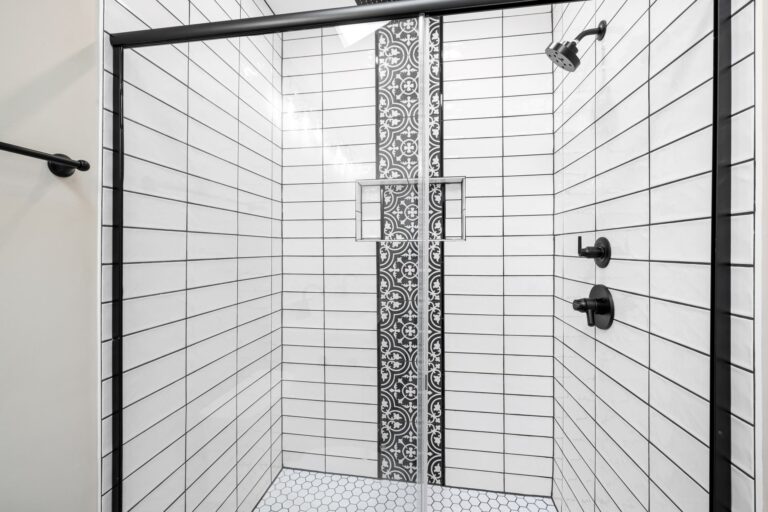
A client asks your office to leave the spare bedroom untouched and give the shower extra attention. The message stays in a text conversation. On cleaning day, a replacement team arrives without those instructions. The bedroom gets cleaned, the shower receives its usual treatment, and the client wonders why they bothered explaining.
For a cleaning business owner, that complaint reveals a gap between taking a booking and delivering the agreed service. The cleaning business CRM at The Cleaning Software keeps those instructions alongside the customer’s appointments, so the people doing the work know what was agreed before they arrive.
Give Every Request a Permanent Home
Client information often ends up scattered across text messages, emails, handwritten notes, and someone’s memory. Searching through those sources before each appointment takes time, especially when the person who accepted the booking is unavailable.
Store lasting preferences in the customer record: rooms to skip, approved products, pets in the home, and surfaces requiring particular care. Keep instructions for a single appointment attached to that visit. “Clean inside the refrigerator this Friday” should not become an ongoing task by accident.
That distinction also prevents outdated requests from following clients indefinitely. Review notes when circumstances change, and remove instructions that no longer apply.
Put the Agreement in the Crew’s Hands
Recording a request achieves little if cleaners never see it. The appointment record needs to show the booked service, agreed extras, and relevant household instructions before the team starts.
Write notes that describe the work. “Client is particular about the bathroom” leaves employees guessing. “Remove buildup around the shower door track; check before leaving” gives them something specific to complete.
Fun fact: In scheduling, biweekly has two accepted meanings: twice a week and every two weeks. Writing “every other Thursday” in a recurring booking removes the ambiguity.
The same precision belongs in task lists. Separate included work from paid extras so cleaners know what the appointment covers without having to call the office halfway through.
Show Clients What a Well-Run Service Gives Them
For households, professional cleaning becomes easier to justify when the service addresses work they struggle to fit into their week. Recurring visits take routine bathroom, kitchen, and floor cleaning off the household schedule. A detailed clean addresses accumulated grime and neglected areas, while a move-out appointment frees up hours during packing and handover. Those benefits depend on a clear agreement about what is included. A client booking regular maintenance needs different expectations than someone arranging a thorough clean of an empty property. Explaining the scope before the visit gives people a practical basis for choosing professional help. When the Maids and Moore Cleaning Austin team arrives with the right instructions and completes the agreed work, the client spends less time supervising, checking, or repeating requests. The service begins to reduce the household’s workload beyond the cleaning itself.
Delivering that experience requires the office to translate the conversation into an accurate booking. The CRM record is where the service type, extra tasks, and customer expectations meet.
Keep Staff Changes From Becoming Service Changes
A familiar cleaner often remembers details that never reach the office. Problems surface when that employee takes leave or moves to another team.
Ask crews to record relevant updates after visits. A newly installed floor needs different care instructions. A room previously used for storage is now occupied. These changes belong in the customer record before the next appointment.
Give employees access to the information needed for their assigned work, and restrict sensitive details to appropriate users. Clear records reduce dependence on individual memory without turning every visit into a long administrative exercise.
Make the Next Appointment Accurate
Recurring bookings save office time, but copying an appointment without reviewing its details also repeats mistakes. A one-time oven clean should not reappear every fortnight. A permanent change in room access should carry forward.
Choose a CRM that distinguishes recurring preferences from individual job notes, and check how edits affect future appointments. Staff need to understand the difference between changing one visit and changing the entire schedule.
Start by reviewing a few recent complaints involving missed instructions. Trace each request through the booking and crew records. If it disappeared somewhere between the client’s message and the cleaner’s task list, fix that handoff before adding more reminders. The next team arriving at the door should already know what was promised.