Walking should be one of the safest ways to get around a small town. But when a driver is distracted, speeding, or simply not looking, a person on foot has nothing to absorb the impact. A quick trip to class, a stroll downtown, or a walk to the mailbox can end with broken bones, a head injury, or worse.
If you were struck by a vehicle, a Thibodaux pedestrian accident injury lawyer can explain your rights and help you deal with insurers while you recover. This article covers why these crashes happen, how Louisiana decides who is at fault, and the steps that protect your claim from the very first day.
Why Pedestrian Crashes Cause Such Serious Harm
A car weighs thousands of pounds, and a pedestrian has no seat belt, airbag, or metal frame for protection. Even a crash at a fairly low speed can throw a person onto the hood or the pavement. Common injuries include traumatic brain injuries, spinal damage, broken legs and hips, and deep cuts that leave lasting scars.
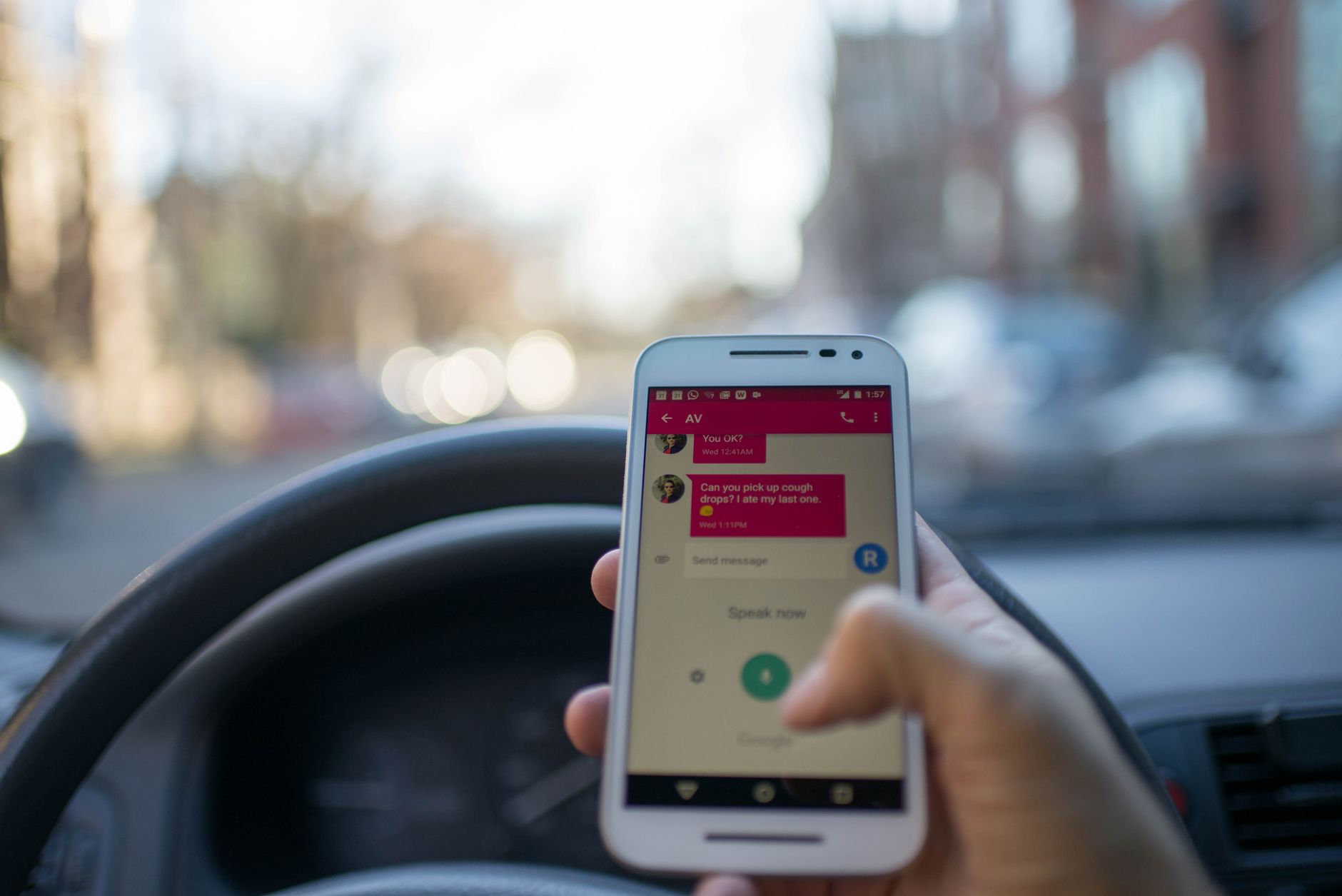
Most of these crashes follow familiar patterns. Drivers turning at intersections often look for other cars and miss the person in the crosswalk. Others pass a vehicle that has stopped to let someone cross, speed through school zones, back out of driveways without checking, or drive at night on poorly lit roads with no sidewalks.
Because the injuries are often severe, the costs are too. Surgery, rehab, time away from work, and changes to daily life can add up for months or years, which is why getting a claim right from the start matters so much.
Walking Risks Around Thibodaux
Thibodaux is the parish seat of Lafourche Parish and a walkable town built along Bayou Lafourche. Students cross streets around Nicholls State University all day, and the historic downtown draws foot traffic to shops, restaurants, and local events. Canal Boulevard and the highways that run along the bayou carry steady traffic close to homes, businesses, and bus stops.
Some of the area’s risks come from its layout. Many roads outside the downtown core have narrow shoulders and no sidewalks, so people walking at dusk or after dark share the road with cars moving at highway speed. School zones across the parish also put children near busy traffic every morning and afternoon. Injury lawsuits from Thibodaux crashes are generally handled in the district court for Lafourche Parish, which sits right in town.
Right of Way and Who Is to Blame
Louisiana law requires drivers to stop and yield to people crossing in a crosswalk when there is no working traffic signal. Louisiana Revised Statutes 32:212 applies this rule to both marked crosswalks and the unmarked crosswalks that exist at most intersections. The same law tells pedestrians not to step suddenly into the path of a car that is too close to stop, and it bars drivers from passing a car that has stopped at a crosswalk.
Right of way is only part of the picture. Drivers always have a duty to watch for people on foot and to slow down in busy areas, even when a pedestrian is crossing outside a crosswalk. Speed, lighting, distractions, and how much time the driver had to react often matter as much as where the person was standing.
Fault rules also changed recently. For crashes on or after January 1, 2026, Louisiana uses modified comparative fault, which reduces your recovery by your share of blame and bars recovery entirely if you are found 51 percent or more at fault. Crashes before that date fall under the older rule, which allowed a reduced recovery no matter how fault was split. Because crossing that 51 percent line ends an insurer’s duty to pay, expect the other side to argue hard that you were mostly to blame.
What to Do After You Are Hit
Get medical care right away, even if you feel shaken but not badly hurt. Head and internal injuries can take time to show symptoms, and early records link your injuries to the crash. Call the police so there is an official report, and if you can, take photos of the scene, the car, the crosswalk, and your injuries.
Gather names and phone numbers from anyone who saw what happened. Ask nearby homes and businesses about security cameras quickly, since many systems record over footage within days. Be careful with the driver’s insurance company, too, because you do not have to give them a recorded statement and anything you say early on may be used to shift blame.
Where the Money Can Come From
The driver’s liability insurance is usually the first place to look. If the driver has no insurance, too little insurance, or drives off, your own auto policy may still help through uninsured or underinsured motorist coverage, even though you were walking at the time. Medical payments coverage and health insurance can also cover early treatment bills.
If the driver was working when the crash happened, such as making deliveries or driving a company truck, the employer’s insurance may also apply, which often means higher limits. A household member’s policy can sometimes extend coverage to relatives who live in the same home.
The Deadline You Cannot Afford to Miss
For most injuries that happened on or after July 1, 2024, Louisiana gives you two years from the date of the crash to file a lawsuit. Injuries before that date usually fall under the old one-year limit, and claims against government agencies or involving a death can follow different timelines. Once the deadline passes, the right to bring the claim in court is generally gone.
Even with two years on the calendar, waiting can hurt your case. Skid marks fade, cars get repaired, video is erased, and witnesses forget what they saw or move away. Acting early keeps that evidence available when it counts.
Moving Forward After a Pedestrian Crash
Being hit by a car while walking can turn your life upside down in an instant. Medical care, steady records, and a clear understanding of Louisiana’s right-of-way and fault rules all help protect your recovery. Knowing every insurance policy that might apply can also make a big difference in the final outcome.
Take care of your health first, keep copies of everything, and be cautious in every conversation with an insurer. With the right steps in place, you can focus on healing while your claim moves forward on solid ground.