Wear occasion dresses again by changing their shoes, layers and accessories to suit a less formal setting. Start with simpler midi, wrap or slip dresses that allow you to sit, walk and move comfortably.
Heavily beaded occasion dresses, rigid bodices and trains have fewer everyday uses. Save those for suitable events rather than buying several pieces to force a casual outfit.
Our guide to choosing a dress for different occasions can help you match the next outing to what you already own.
1. Swap Occasion Heels for Everyday Footwear
Wear simpler occasion dresses with flats, ankle boots or clean sneakers for daytime plans. Choose shoes according to the walking involved and the venue.
Try the complete outfit before leaving home. Occasion dresses hemmed for high heels can drag after switching to flats. Walk up a step and sit down to check movement.
Try this combination
A printed midi dress, plain sneakers and a small shoulder bag for lunch.
For outdoor gatherings, our garden wedding attire guide discusses footwear and setting. Apply the same ground-surface check when wearing occasion dresses to informal garden parties.
2. Add Knitwear to Make the Dress Read as a Skirt
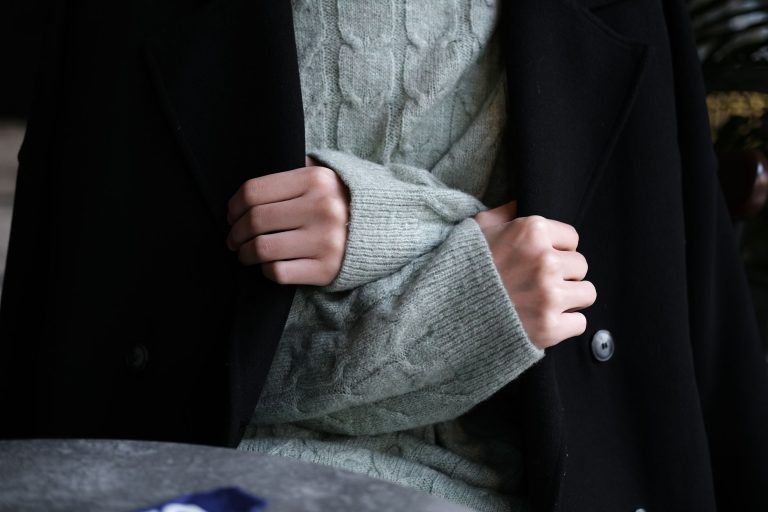
Layer a sweater over occasion dresses with smooth bodices and enough room for comfortable movement. The covered top lets the skirt become the main part of the outfit.
Choose a sweater that finishes near the waist or upper hip. Try both lengths before buying. Thick knitwear over ruffles or embellishment can create uncomfortable bulk.
For delicate occasion dresses, avoid pins, tight knots and rough seams against the fabric.
Buying check
Choose a knit you can also wear with jeans or trousers. Our wardrobe essentials guide gives you other combinations to assess.
3. Add a Biker-Inspired Jacket for a Casual Evening
Pair simple occasion dresses with a structured jacket for dinner or a concert. The jacket changes the outfit’s shape and gives bare shoulders coverage.
If you prefer visible zips and biker detailing, compare women’s Harley-Davidson-style jackets by length, measurements and material. Choose around the dress you plan to wear.
Check the Jacket Against the Dress
- Length should leave the skirt hanging freely.
- Shoulders should allow reaching and sitting.
- Hardware should not catch lace or loose threads.
Smooth occasion dresses are a more straightforward starting point than heavily decorated gowns. Try the jacket open and fastened before deciding.
4. Adapt a Celebrity-Inspired Dress-and-Jacket Outfit
Use a saved outfit photograph to choose proportions for occasion dresses. Look at where the jacket ends, how full the skirt is and which shoes balance the combination.
When browsing celebrity-inspired leather jackets, compare those features with your dress. A recognisable design is only useful if you like the complete outfit.
Keep the Reference Specific
For a full skirt, test a shorter jacket that leaves the waist visible. For straighter occasion dresses, compare waist-length and hip-length options in the mirror.
Photograph both combinations with the same shoes. Buy the jacket that works with your occasion dresses and other clothes, rather than relying on the celebrity association.
5. Wear a Relaxed Blazer for Work or Lunch
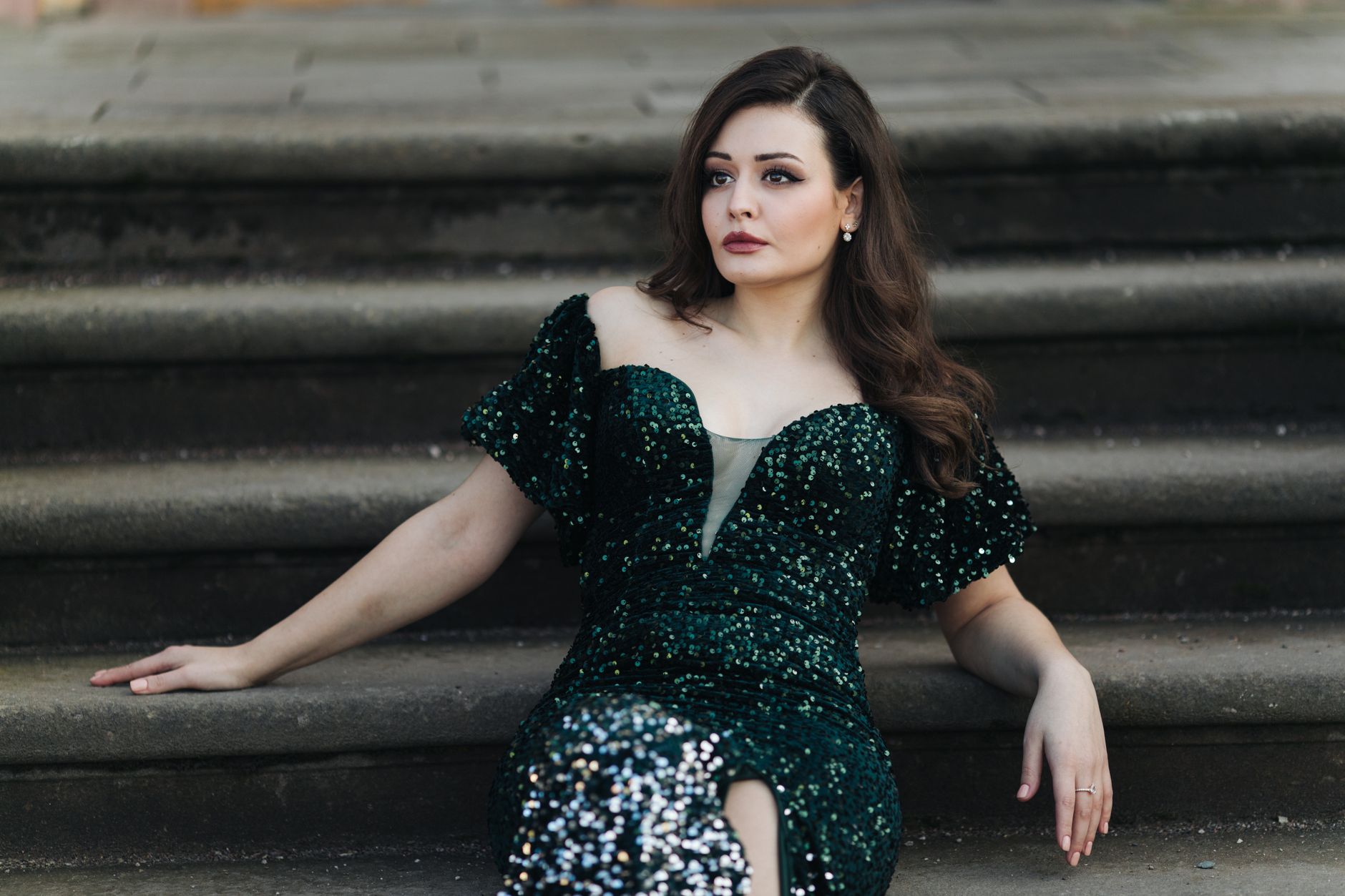
Add a blazer to simpler occasion dresses when the fabric, coverage and length suit the setting. A plain midi dress offers an easier starting point than a sequined gown.
Check the fit through the arms and back. The blazer should not compress puffed sleeves or pull across a structured bodice.
If you are unsure how formal the outing is, consult our advice on invitations without a dress code. For work, follow your employer’s requirements.
Occasion dresses do not become office-appropriate simply because you add tailoring. Assess the neckline, transparency and movement of the whole outfit.
6. Layer a Fine-Knit Top Under a Sleeveless Dress
Wear sleeveless occasion dresses over a thin top when there is enough room through the bodice and armholes. Start with smooth fabric and narrow seams.
Try a plain long-sleeved top under an unembellished dress. Check whether the neckline sits flat and whether the zipper closes without additional strain.
For fitted occasion dresses, an over-layer is often easier to accommodate. Use a cardigan instead if the added fabric makes the bodice tight.
Before buying
Test the idea with a top you own. Do not buy another layer for occasion dresses that already restrict movement.
7. Replace Formal Accessories With Everyday Pieces
Dress down occasion dresses by replacing the clutch, large earrings and embellished shoes with simpler pieces. Try a small crossbody bag, modest earrings and flat footwear.
Change one accessory at a time. Occasion dresses with a strong print or decorative neckline may need fewer additions.
Check bag straps and buckles against delicate fabric. Avoid rough hardware that rubs repeatedly against lace or beading.
Our guide to building a capsule wardrobe on a budget offers a useful starting point for choosing accessories across several outfits.
Which Purchases Help You Rewear Occasion Dresses?
For occasion dresses, buy the item that solves a specific problem and works elsewhere in your wardrobe. That might be comfortable shoes, a suitable jacket or nothing at all.
Before checkout, try the proposed combination and check care instructions, measurements and return terms. Give your occasion dresses one planned outing before buying several new pieces around them.