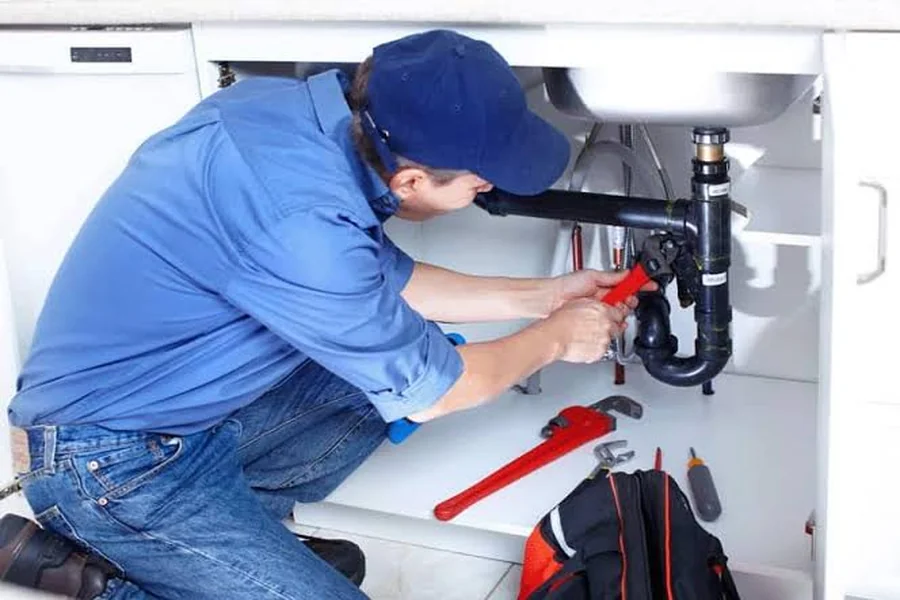
The last time I let an unvetted plumber into my house, he left a boot print on the bathroom ceiling, quoted me $180 on the phone, and handed me a $940 invoice when the water came back on. That was the day I stopped treating plumbers like an emergency purchase and started treating them like a hiring decision.
Here is the short version. A good plumber answers the phone like a human, quotes a range before rolling a truck, carries a state license you can verify, and puts the scope in writing. Everything else, the branded vans and the radio jingles, is decoration.
If you happen to live in the northern suburbs and type “plumbing services in the Chicagoland area” into your phone at 11 p.m. with water creeping across the basement floor, you will get a wall of ads in about four seconds. Most of them will be fine. A few will be awful. The trick is knowing which is which before you dial, because a burst supply line does not give you three days to do reference checks.
That is what this is for. Five checks, one decision rule, and a way to read an estimate so the final number looks like the first number.
Why the cheapest phone quote is almost always fiction
Plumbing is a diagnostic trade, not a menu. A drain tech who has not seen your line cannot know whether you need a $220 cable job or a $9,000 sewer excavation, and neither can the person quoting you from a call center.
A pipe that rattles could be a loose strap or water hammer from a failing pressure regulator. Same sound, wildly different fix. So when you hear a suspiciously warm price over the phone, you are not hearing expertise. You are hearing bait, and the real conversation happens in your basement with a flashlight.
Ask instead for a service call fee and an hourly rate. Two numbers. If the company cannot name both, that tells you plenty.
Rule I follow: a quote that arrives before a diagnosis is a guess wearing a uniform.
The five checks that actually separate good plumbers from bad ones
I call this the Basement Test, because every item on it gets settled in your basement, not in a marketing brochure.
1. Licensing and insurance
Illinois regulates plumbers through the state, and you can confirm a license rather than taking a sticker’s word for it. According to the Illinois General Assembly, plumbing work in the state falls under a formal licensing statute. Ask for the license number and write it down before anyone starts work.
Insurance matters just as much. If a tech snaps a shutoff valve and floods your finished ceiling, you want that call handled by their carrier, not your homeowner policy. Ask for a certificate of insurance and mean it.
2. Written scope before tools
A real plumber writes down what will be opened, replaced, or left alone. Replace the pressure regulator, not the whole manifold. Clear the kitchen branch line, camera the main, and stop there. If the scope is vague, the invoice will be too.
3. Parts and brands they pull off the truck
Ask what brand of water heater or valve they install by default. If the answer is a shrug, that is an answer. Off-the-shelf bulk parts fail early, and you are the one standing in the wet spot.
4. Camera and locator on sewer jobs
Any sewer diagnosis without a camera is a sales pitch. A camera shows roots, bellies, and breaks, and a locator marks the spot above ground so the excavation happens in the right place.
5. Emergency availability in writing
You do not want to discover at midnight that the after-hours line routes to voicemail. Ask what hours they actually cover and what the after-hours rate looks like.
Reading an estimate like someone who has been burned
Estimates are documents, and they behave like contracts. I read them the way I read a lease, which is slowly and with a pen.
- Separate labor from materials so labor price creep stays visible.
- Flag the word “may” anywhere near “additional work” so you know the increment before you approve it.
- Confirm whether permits are filed, which matters for anything involving gas or a replaced appliance.
- Get the disposal and haul-away costs in writing so an old water heater does not linger in your garage.
Gas work deserves a hard stop here. The Environmental Protection Agency publishes extensive guidance on combustion safety and appliance standards, and under federal rules any technician working on refrigerant systems or handling a related appliance has to hold the right certification. A plumber who brushes off that question is a plumber I would not hand my regulator to.
The three red flags that never get better
Pressure to decide today. Urgency is a sales tool. Water in the basement is real urgency. A discount that expires in ninety minutes is manufactured, and I have never once seen a fair quote evaporate because I slept on it.
Cash only, no invoice. No invoice means no warranty, no paper trail, and no recourse when the joint leaks in March.
A van with no name. I have nothing against a one-tech shop, and some of the best work in the suburbs comes out of a single garage. But I want a business name, a website, and a phone number that answers more than once a month. The Better Business Bureau tracks complaint history by business, so a five-minute search before you book tells you how someone handles problems when a job goes sideways.
What I would do differently next time
I would call two plumbers, not five. I would get both to price the same written scope, and I would ask each one what they would do if they found something unexpected mid-job. That last question is the one that separates a professional from a salesman, because a professional has an answer ready and it starts with “I’d stop and call you.”
I would also stop using cost as the first filter. The $200 difference between the cheapest bid and the middle bid buys you a permit, a warranty, and someone who picks up when the water heater fails on a Sunday. That math works out in your favor almost every time.