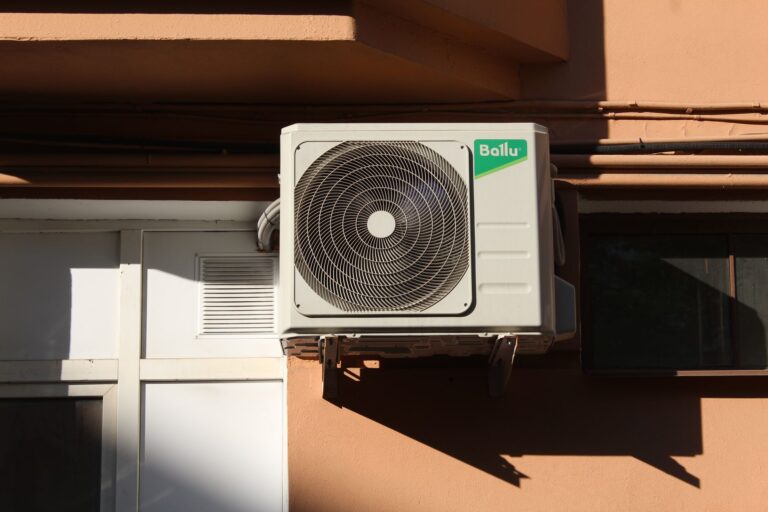

Homeownership comes with a quiet but persistent responsibility that nobody fully prepares you for — the ongoing care and maintenance that keeps a house from slowly falling apart around you. It’s easy to get comfortable when everything seems fine and put off the checks and tasks that don’t feel urgent. But homes are complex systems, and small neglected issues have a frustrating habit of becoming expensive ones right when you least need the stress.
The good news? Staying ahead of home maintenance is genuinely manageable when you break it down season by season.
Why Seasonal Maintenance Actually Matters
Think of your home the way you think of your car. You wouldn’t drive indefinitely without an oil change and expect nothing to go wrong. Your home operates the same way — it needs regular attention across different systems to perform safely, efficiently, and reliably year after year.
Proactive maintenance consistently costs a fraction of reactive repairs. A $20 tube of caulk applied at the right time prevents water damage that costs thousands to fix. Homeowners can also consider professional fire alarm services Hawaii to help ensure their fire detection systems are properly maintained and ready to respond when needed. Seasonal checklists transform overwhelming homeownership responsibility into manageable, predictable tasks spread throughout the year.
Spring — Repair, Refresh, and Inspect
After Winter’s Punishment, Your Home Needs Attention
Winter is hard on houses. Freezing temperatures, ice, moisture, and temperature fluctuations stress materials and systems in ways that only become fully visible once warmer weather arrives. Spring is the season to assess the damage and address it before it worsens. When problems are difficult to evaluate visually or may indicate deeper issues, local inspection specialists can help identify concerns that may otherwise go unnoticed.
Exterior Checks
- Inspect the roof — Look for missing, cracked, or curled shingles. Check flashing around chimneys and vents for gaps or lifting. Binoculars work fine from the ground for a basic visual check.
- Clean and inspect gutters and downspouts — Winter debris accumulates and blocks drainage. Clean them thoroughly and check that downspouts direct water at least six feet away from your foundation.
- Check the foundation — Walk the perimeter looking for new cracks, crumbling mortar, or areas where soil has shifted away from the foundation creating drainage pathways toward your home.
- Inspect exterior caulking and seals — Around windows, doors, and where different materials meet. Cracked or missing caulk allows water infiltration that causes significant damage over time.
- Examine driveways and walkways — Winter freeze-thaw cycles crack concrete and asphalt. Fill cracks early before water infiltrates and expands them further.
- Check decks and outdoor structures — Look for soft spots, loose boards, wobbly railings, and signs of rot or pest damage. Sand and reseal or repaint wood surfaces before summer use.
Interior Spring Tasks
- Service your air conditioning system — Replace filters, clean vents, and schedule a professional HVAC service before cooling season begins when demand is lower and service costs are more competitive.
- Check window and door screens — Repair or replace screens damaged over winter before insect season arrives.
- Test smoke and carbon monoxide detectors — Replace batteries if you haven’t done so since autumn. These devices save lives and deserve regular attention.
- Inspect your attic — Look for signs of winter moisture damage, pest activity, and adequate insulation coverage.
- Clean dryer vents — Lint accumulation in dryer venting is a leading cause of residential fires. Clean the full duct run at least annually — spring is a natural time.
Summer — Maintain, Monitor, and Prepare
The Season of Peak Use and Active Systems
Summer brings intense heat, increased activity, and peak demand on your cooling systems and outdoor spaces. Maintenance focus shifts toward keeping systems running efficiently and protecting your home against summer-specific stressors.
Exterior Summer Tasks
- Maintain your lawn and landscaping — Keep vegetation trimmed back from your foundation, siding, and roof. Plants growing against the house retain moisture and provide pathways for pests.
- Inspect and clean outdoor furniture — Check for rust, deteriorating fabric, and structural weakness before summer use places regular demands on them.
- Check irrigation systems — Inspect sprinkler heads for proper coverage, look for leaks, and adjust schedules to water efficiently during cooler morning hours.
- Inspect wood fencing — Check posts for rot at ground level, tighten loose connections, and apply sealant to bare wood surfaces.
- Clean outdoor grills and furniture — Inspect grill connections and hoses for wear or gas leaks before heavy seasonal use.
Interior Summer Tasks
- Monitor your HVAC performance — An air conditioning system working harder than usual or struggling to maintain set temperatures deserves a professional inspection before it fails completely during a heat wave.
- Check refrigerator coils — Dusty condenser coils make refrigerators work significantly harder. Pull the unit out and vacuum coils at the back or bottom.
- Inspect plumbing for leaks — Check under sinks, around toilets, and behind appliances for moisture accumulation that signals slow leaks. When replacing worn-out valves, faucet components, or other plumbing fixtures, choosing quality products from a trusted plumbing supply store helps improve long-term performance and reduces the risk of recurring issues. Many homeowners and contractors rely on New York Replacement Parts to source compatible plumbing replacement components that support reliable repairs and routine home maintenance
- Deep clean kitchen exhaust fans — Summer cooking demands run high and grease accumulation in exhaust systems is both a fire risk and an efficiency issue.
- Inspect and restock your emergency kit — Summer storm season in many regions makes emergency preparedness genuinely timely.
Autumn — Winterize, Seal, and Protect
The Most Critical Maintenance Season of All
Autumn home maintenance is arguably the most important seasonal effort because the goal is protecting your home against the most damaging forces it faces — freezing temperatures, ice, moisture, and heating system stress. What you do in autumn directly determines how well your home weathers the coming winter.
Exterior Autumn Tasks
- Clean gutters after leaves fall — Wait until deciduous trees have fully dropped before doing your final autumn gutter clean. Blocked gutters in winter lead to ice dams that cause serious roof and interior water damage.
- Inspect and seal the roof — Address any identified issues before winter makes repair both more difficult and more damaging if delayed.
- Caulk and seal gaps around the exterior — Check around all windows, doors, utility penetrations, and where different materials meet. A tube of exterior caulk and an hour of attention significantly reduces heating costs and moisture infiltration.
- Disconnect and drain garden hoses — Water left in exterior hoses and outdoor faucets can freeze and damage both the hose and the interior pipe it connects to.
- Insulate exposed pipes — Any water pipes running through unheated spaces — garages, crawl spaces, exterior walls — should be insulated before freezing temperatures arrive.
- Check and service your heating system — Schedule an HVAC professional to service your furnace or boiler before heating season peaks. Replace filters and check that all vents are unobstructed.
- Stock up on ice melt and snow removal supplies — Before you need them is always better than during the first storm.
Interior Autumn Tasks
- Test your heating system before the first cold snap — Turn it on and run it through a full cycle before you depend on it. Address any issues while the weather is still mild enough that you won’t be uncomfortable waiting for repairs.
- Reverse ceiling fan direction — Most ceiling fans have a winter setting — clockwise rotation at low speed — that pushes warm air that rises to the ceiling back down into the room, reducing heating costs meaningfully.
- Check weatherstripping on all doors — Worn weatherstripping allows cold drafts and significantly increases heating costs. Replacement strips are inexpensive and make an immediate noticeable difference.
- Drain and winterize irrigation systems — Standing water in irrigation lines freezes and cracks pipes and fittings.
- Stock emergency supplies — Flashlights, batteries, candles, bottled water, non-perishable food, and blankets should be accessible and checked before winter storm season arrives.
Winter — Monitor, Conserve, and Stay Safe
The Season of Vigilance and Prevention
Major outdoor maintenance largely pauses in winter — but indoor monitoring becomes genuinely important. Your home’s systems are working their hardest during the coldest months, and staying attentive to warning signs prevents minor issues from becoming expensive emergencies.
Winter Maintenance Focus Areas
- Monitor for ice dams — Ice dams form when heat escapes through the roof and melts snow that refreezes at the cold eaves. They force water under shingles causing interior damage. Improving attic insulation and ventilation prevents them from forming.
- Check for drafts regularly — Light a stick of incense near windows, doors, and electrical outlets on exterior walls. Smoke that wavers indicates air infiltration that increases heating costs and reduces comfort.
- Keep the thermostat consistent — Large temperature swings stress your heating system and home structure more than maintaining a consistent temperature — even a modest one overnight.
- Prevent pipe freezing — Keep cabinet doors under sinks on exterior walls open during extreme cold to allow warm air circulation. Know where your main water shutoff is located in case of emergency.
- Clear snow from around your foundation and dryer vents — Heavy snow accumulation against foundations causes moisture issues during spring melt. Blocked dryer vents while the system runs are a safety hazard.
- Check for condensation on windows — Excessive condensation indicates humidity and ventilation issues that can cause mold growth inside wall cavities over time.
- Inspect basement and crawl spaces after heavy rain or snowmelt — Water infiltration during winter and early spring causes damage that’s much easier and cheaper to address before mold establishes itself.
Year-Round Maintenance Habits Worth Building
Monthly Tasks That Take Minutes but Matter Significantly
- Test smoke detectors and carbon monoxide alarms
- Check and replace HVAC filters — more frequently if you have pets or allergies
- Run water in infrequently used drains to prevent dry p-traps
- Inspect fire extinguishers for proper pressure
- Check under sinks for moisture or slow leaks
Quarterly Tasks Worth Scheduling
- Deep clean kitchen and bathroom exhaust fans
- Inspect caulking in wet areas — showers, tubs, and around sinks
- Check water heater for corrosion, leaks, or unusual sounds
- Test GFCI outlets in bathrooms, kitchen, and garage
Building Your Home Maintenance System
Don’t Rely on Memory Alone
The most effective approach to seasonal home maintenance is a simple documented system — a physical checklist or a home maintenance app like HomeZada or Centriq that tracks what needs doing when, reminds you at the right time, and stores the records of what’s been completed and when.
Keeping records of maintenance tasks, service dates, and contractor contacts in one accessible place is genuinely valuable — both for managing ongoing maintenance and for demonstrating proper care when eventually selling the property. For homeowners looking to streamline routine cleaning as part of that maintenance plan, checking bobsweep dustin reviews can also help determine whether an automated vacuum and mop system is a practical addition to the household.
The Financial Case for Staying Ahead
Here’s a perspective worth considering. The average cost of preventable home repairs caused by deferred maintenance is significantly higher than the cost of the maintenance itself. A $150 annual gutter cleaning prevents water damage that averages thousands of dollars to repair. Catching a small roof leak during an annual inspection prevents interior damage that runs into tens of thousands.
Seasonal home maintenance isn’t just a chore — it’s one of the most financially sound habits a homeowner can develop. Every task completed on schedule is a potential disaster avoided, a repair bill avoided, and a piece of mind preserved.
Final Thoughts
Your home deserves the same consistent attention you give to anything else in your life that matters. Seasonal maintenance isn’t about perfection or catching every minor issue — it’s about staying proactive, staying aware, and addressing problems at the scale where they’re still manageable.
Work through each season’s checklist at a comfortable pace. Hire professionals for tasks beyond your comfort level. Document what you do and when you do it.
The home that’s cared for consistently is the home that keeps its value, keeps its occupants comfortable, and keeps its systems running without drama through every season of every year.
Maintain it well. It will take care of you in return.