

The transition from conventional dryers to more sustainable practices has led many households to incorporate the humble clothes drying rack into their daily laundry routine. These unassuming yet highly efficient devices offer an eco-friendly alternative, promoting energy conservation and garment preservation. In this article, we delve into the multifaceted benefits, types, and usage tips of clothes drying racks to optimise their efficiency in everyday living.
Advantages of Using Clothes Drying Racks
One of the prime advantages of clothes drying racks is their contribution to environmental conservation. Unlike electric dryers, they consume no energy and thus have a negligible carbon footprint. This not only helps in reducing electricity bills but also supports the broader move towards sustainable living.
Moreover, drying racks are gentle on clothes. The process of air drying retains the fibres’ integrity, mitigating the wear and tear typically caused by the tumbling and high heat of conventional dryers. Delicate fabrics, in particular, benefit from this gentler drying process, maintaining their shape and colour for longer periods.
Additionally, clothes drying racks offer unparalleled versatility. They can be conveniently used both indoors and outdoors, irrespective of the weather conditions. This adaptability makes them an ideal choice for a variety of living conditions, from spacious homes to compact apartments.
Types of Clothes Drying Racks
A plethora of clothes drying racks are available in the market, each catering to different needs and space constraints. Here's a closer look at some of the most popular types:
Folding Clothes Drying Racks
These racks are perfect for those with limited storage space. They typically feature a collapsible frame that can be easily stowed away when not in use. This portability makes them especially convenient for indoor use during inclement weather.
Tower Clothes Drying Racks
Tower racks are designed for maximum capacity in minimal space. With multiple tiers, they allow for a large volume of clothing to be dried simultaneously. Their vertical design makes them an excellent choice for bathrooms and utility rooms, where they can be set up against a wall without encroaching on precious floor space.
Wall-Mounted Clothes Drying Racks
Ideal for small living spaces, wall-mounted racks offer a permanent yet discreet solution for air-drying clothes. Once installed, they can be folded down from the wall, providing an instant drying space that can be retracted when not in use.
Heated Clothes Airers
While technically not in the same category as purely manual racks, heated clothes airers speed up the drying process by gently warming the air around the clothes. This type of rack is particularly useful in colder climates or during the winter months when air drying alone may not suffice.
Tips for Optimal Use
1. Maximising Airflow: Proper ventilation is crucial for effective air drying. Position your clothes drying rack in a well-ventilated area or near an open window. This ensures a constant flow of air, drastically reducing drying times.
2. Balancing Weight and Distribution: Evenly distribute clothing across the drying rack to prevent any segments from being overloaded. This not only facilitates quicker drying but also ensures the rack remains stable and secure.
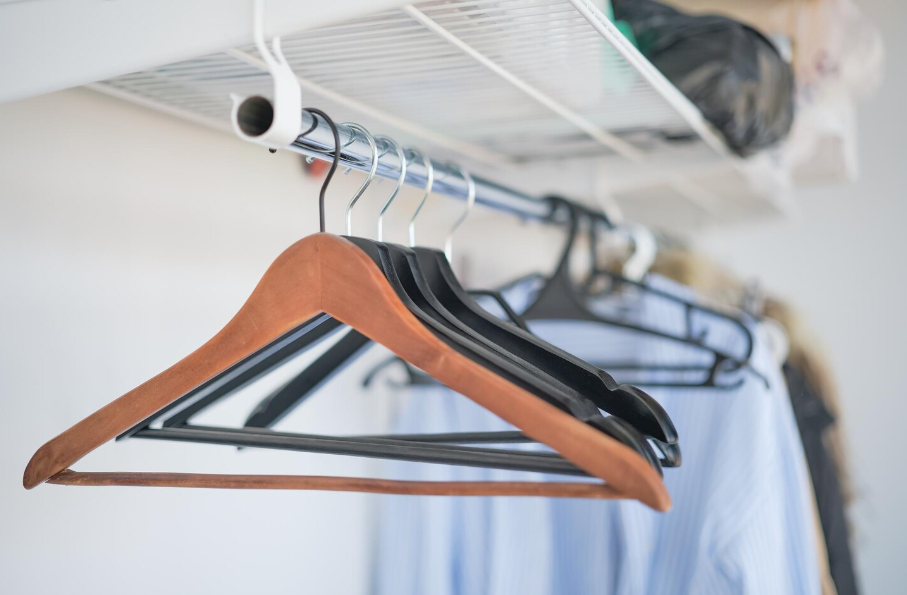
3. Utilise Hangers for Garments: For large items such as shirts and trousers, use hangers to minimise creases and promote quicker drying. By hanging these items at the periphery of the rack, you optimise space and airflow.
4. Routine Cleaning: Regularly clean your clothes drying rack to remove any residues or mildew that might accumulate over time. A simple wipe down with a damp cloth and mild detergent can prolong the lifespan of your drying rack.
5. Seasonal Strategies: During warm and sunny periods, placing the rack outdoors or in direct sunlight can accelerate the drying time. Conversely, in colder conditions, positioning the rack near a radiator or dehumidifier can replicate similar warmth and effectiveness.
Health and Hygiene Benefits
Air drying laundry on a clothes drying rack offers several health benefits. Exposure to natural sunlight provides antiseptic properties, helping to eliminate bacteria and odours from fabrics. Additionally, avoiding the high heat of traditional dryers reduces allergens, making this method suitable for individuals with sensitive skin or respiratory concerns.
By allowing moisture to dissipate naturally, clothes drying racks help maintain indoor air quality. In contrast to tumble dryers that vent warm, moist air into the living space, racks offer a damp-free drying process, which in turn deters the growth of mould and mildew within the home environment.
Integrated Storage and Décor
Modern clothes drying racks are not merely functional; they can also complement home décor. Many contemporary designs incorporate aesthetic elements such as sleek metal finishes or natural wood accents, allowing them to integrate seamlessly into living spaces. When not in use, collapsible models double as neat storage solutions that enhance the home's organisational appeal.
Considerations Before Purchasing
When selecting a clothes drying rack, the primary considerations include space, capacity, and material. Evaluate the available space within your home and choose a design that fits comfortably without obstructing mobility. Consider the volume of laundry regularly processed to ensure the rack can accommodate your needs. Material choice ranges from plastic and aluminium to stainless steel and wood, each offering distinct durability and maintenance requirements.
In conclusion, embracing the use of a clothes drying rack presents a smart, sustainable, and cost-effective component of everyday home management. Whether you're driven by environmental concerns, fabric care, or spatial efficiency, the versatility and benefits of these racks make them an indispensable tool in the modern household.