Picture this: you take a quick photo on your phone, nothing fancy, just a snapshot. Ten minutes later, that same photo has become a styled product shot, a redesigned room, or a piece of art that looks nothing like where it started. That is the whole appeal of an image to image AI generator, and it explains why so many ordinary photos are getting a second life lately.
Instead of walking through the technology itself, it helps to look at this from a different angle: what people are actually doing with it. Once you see the range of everyday situations this fits into, it stops feeling like a novelty and starts feeling like a tool you would actually reach for. A platform like Nereo has made this kind of transformation something you can do in minutes, without any editing background at all.
Turning a Phone Photo Into a Store-Ready Product Shot
If you sell anything online, you know how much a good photo matters. A cluttered kitchen counter or a messy background can make even a great product look cheap. Rather than renting a studio or hiring a photographer, you can snap the item on your table, then let the AI clean up the background, adjust the lighting, and give it that polished, catalog-style look.
Small Business Owners Are the Biggest Winners Here
This is especially useful if you run a small shop, sell handmade goods, or manage listings on marketplaces. You are not trying to become a professional photographer. You just need something that looks trustworthy enough for someone to click "buy," and a quick image transformation often gets you there.
Redesigning a Room Before Spending a Dollar
Thinking about repainting a wall, swapping out furniture, or trying a completely different style in your living room? Instead of guessing how it might look, you can upload a photo of the actual space and describe the change you are considering. Want to see it in a warmer color palette, a more minimal layout, or a completely different design style? You get a preview based on your real room, not a generic stock photo that looks nothing like your space.
This Also Works for Bigger Decisions
The same idea applies to more serious projects too, like visualizing a renovation, testing out landscaping ideas, or previewing how a new floor might look before committing to the cost. Seeing a realistic version first can save you from an expensive mistake later.
Giving Old or Ordinary Photos New Life
Not every use case is practical. A lot of people are simply having fun with old family photos, weekend snapshots, or portraits that felt a little flat. You can turn a plain photo into something styled like a painting, give it a completely different mood, or reimagine it in an entirely different setting.
A Simple Way to Personalize Gifts
This has also become a popular way to create personalized gifts. Turning a favorite photo into a unique piece of art for a birthday, an anniversary, or a holiday card feels a lot more thoughtful than a generic printed picture, and it takes almost no extra effort on your part.
Fashion, Portraits, and Trying On a New Look
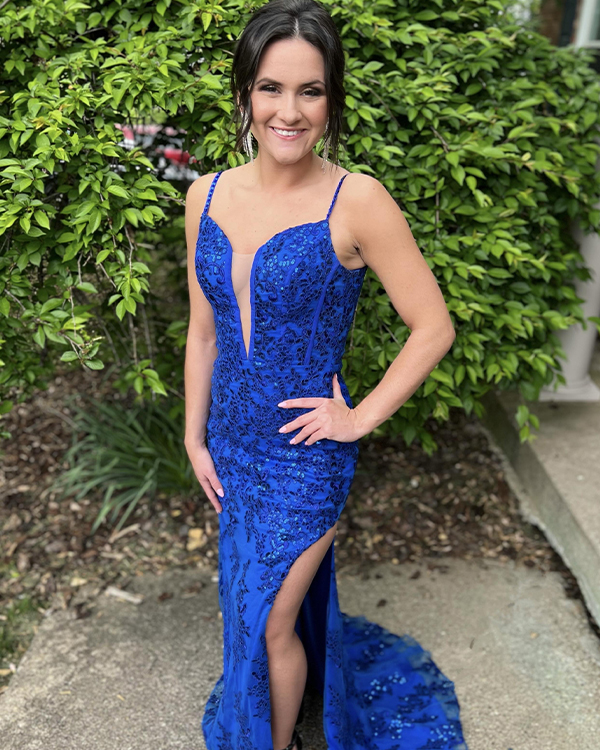
If you have ever wondered how an outfit, hairstyle, or background would look in a photo of yourself, this is where things get especially fun. Upload a portrait, describe the change, and see a version of yourself in a different setting or style before deciding whether you actually want to commit to it in real life.
Creators and small brands are leaning into this too, using it to quickly test different visual styles for their photos without booking a new shoot every time they want to try something new. It is worth mentioning that this same shift toward flexible, description-based creation is spreading into video as well. Features built around text to video let you take that same instinct, describing a scene or a look, and apply it to a short moving clip instead of a still photo. The line between editing a picture and directing a tiny video is starting to blur.
What Makes These Use Cases Work So Well
Across all of these examples, a few things stand out.
You Are Never Starting From Nothing
Every one of these situations starts with a real photo, not a blank prompt. That matters because it keeps the result grounded. You are not hoping the AI guesses your vision correctly from scratch, you are guiding it from something concrete, which makes the outcome far easier to predict and control.
The Barrier to Entry Has Basically Disappeared
None of these examples require design software, editing skills, or a big budget. A photo from your phone and a short description are enough to get started, which is exactly why this has spread so quickly across such different situations, from selling products to redecorating a home to making a thoughtful gift.
It Saves Time in Places Where Time Used to Be the Bottleneck
Booking a photographer, hiring a designer, or manually editing a photo for an hour all take time you might not have. These use cases work because they compress that process down to a few minutes, without cutting corners on the final result.
Try It on Something You Already Have
The easiest way to understand this is not to read about it, but to try it on a photo that is already sitting on your phone. Pick something ordinary: a product you want to sell, a room you want to change, or a portrait you have always liked but never loved. Describe the change you want, and see what comes back.
Chances are, it will make you rethink what a simple photo can actually become.