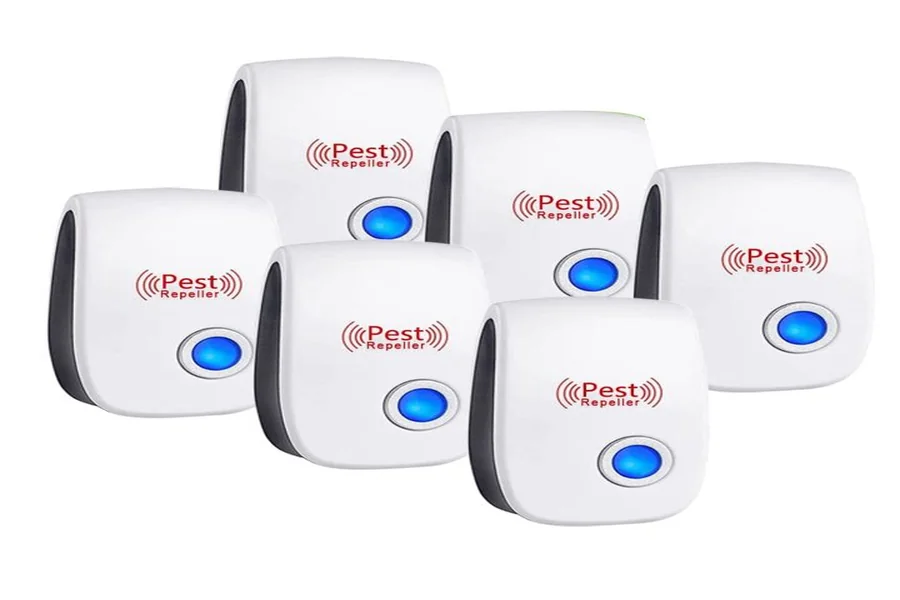
Walk into any home goods store or scroll through pest control listings online, and you’ll find dozens of ultrasonic pest repellers, all promising to clear your home of rodents and bugs with a simple plug-in device. Prices and features vary a lot, and not every product on the market is worth buying. Here’s what to actually look for.
Check the Coverage Area Claims Carefully
Manufacturers often list a coverage area on the packaging, but real-world effectiveness tends to be smaller than advertised, especially in homes with multiple rooms, thick walls, or a lot of furniture that blocks sound waves. As a rule of thumb, plan on needing one unit per room rather than trusting a single device to cover an entire floor.
Look for Adjustable Frequency Settings
Different pests respond to different frequency ranges, so a device with adjustable or multi-frequency settings tends to perform more consistently across rodents and insects than a fixed single-frequency unit. Some higher-end models also cycle through frequencies automatically to reduce the chance pests simply get used to a constant tone.
Read Reviews With a Skeptical Eye
Because ultrasonic repellers are inexpensive to manufacture, the market has a lot of low-quality products riding on flashy packaging and inflated claims. Look past star ratings and read a handful of detailed reviews specifically mentioning the pest type you’re dealing with, since a device that discourages ants isn’t necessarily doing anything for mice.
Consider It Part of a Larger Plan, Not a Standalone Fix
Even a well-made unit works best alongside other prevention steps: sealing obvious entry points, cleaning up food sources, and removing clutter that gives pests places to hide. Treat ultrasonic pest repellers as one layer of a broader strategy rather than a single silver-bullet purchase.
Know When to Skip the Device Entirely
If you’re already dealing with a confirmed infestation rather than trying to prevent one, it’s usually more cost-effective to go straight to targeted treatment or a professional inspection instead of testing out a repeller first. Save the ultrasonic option for prevention and light deterrence, where it tends to perform best.
Buying the right device comes down to realistic expectations and a bit of research, not just picking whichever option has the most convincing product photos.