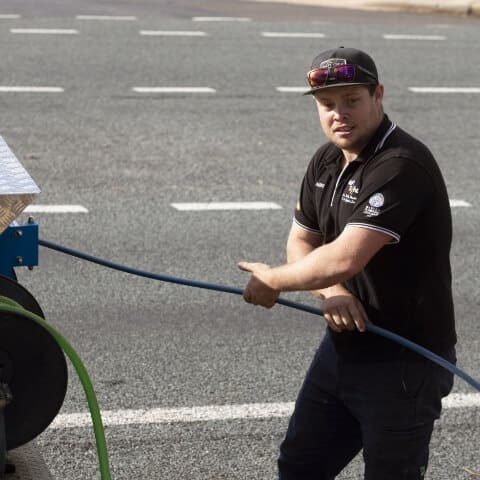
Canberra is known for its crisp, frosty winters. Mornings below zero are common from late autumn through to early spring, and many households wake to frozen lawns, icy windscreens and the sound of heaters working overtime. These cold snaps can also take a toll on your plumbing. Frozen pipes, struggling hot water systems and burst fittings are common winter call-outs, so knowing how to protect your home, and when to call a trusted plumber canberra residents rely on, can save you plenty of stress and expense.
This guide covers the most common winter plumbing issues in Canberra and simple steps you can take to prevent them.
Why Winter is Tough on Plumbing
When temperatures drop below freezing, water in exposed pipes can freeze. As water freezes, it expands, putting pressure on pipes and fittings. This can cause cracks, splits and leaks, which may not become obvious until the ice thaws and water starts escaping.
Pipes most at risk are those exposed to the elements, such as outdoor taps, pipes running along external walls, pipes under raised floors and those in unheated garages or roof spaces. Hot water systems and their connections are also vulnerable, particularly on frosty mornings.
Common Winter Plumbing Problems
Frozen Pipes
If you turn on a tap on a frosty morning and get only a trickle, or nothing at all, a pipe may be frozen. In many cases, the water will flow again once temperatures rise, but frozen pipes can also crack.
Burst Pipes
A cracked or split pipe can release a significant amount of water once it thaws, potentially damaging floors, walls and belongings. Burst pipes need prompt attention from a licensed plumber.
Hot Water System Issues
Hot water systems work harder in winter because incoming water is colder and households tend to use more hot water. Systems that are already ageing may struggle or fail during the colder months. Frost can also affect outdoor hot water units and their pipework if they're not adequately protected.
Blocked Drains and Stormwater
Autumn leaves can block gutters, downpipes and stormwater drains, leading to overflows during winter rain. Tree roots seeking moisture can also infiltrate sewer pipes, causing slow drains and blockages.
How to Protect Your Pipes
A few simple steps can greatly reduce the risk of winter plumbing problems.
Insulate Exposed Pipes
Lagging, or pipe insulation, is an inexpensive way to protect exposed pipework. Focus on pipes running along external walls, under the house, in the roof space and those connected to your hot water system. Foam lagging is widely available and easy to fit, although a plumber can help with hard-to-reach areas.
Protect Outdoor Taps
Cover outdoor taps with insulated covers, and disconnect garden hoses during frosty periods so water doesn't sit in the tap. If you have taps you rarely use in winter, consider having a plumber install an isolation valve so they can be shut off and drained.
Know Where Your Main Shut-Off Valve Is
Make sure everyone in your household knows where the main water shut-off valve is located and how to turn it off. If a pipe bursts, turning off the water quickly can minimise damage while you wait for a plumber. Icon Water provides information on water supply and meters in the ACT.
Keep Your Home Warm
Maintaining a reasonable indoor temperature helps protect internal pipes. If you're going away during winter, consider leaving heating on a low setting and asking a neighbour to check your property.
Service Your Hot Water System
An annual service can help identify problems before they lead to a breakdown. A plumber can check the pressure relief valve, anode and connections, and advise whether your system is nearing the end of its life. If you're considering replacing an older system, ask about efficient options suited to Canberra's climate.
What to Do if a Pipe Freezes
If you suspect a frozen pipe, turn off the tap and check for visible damage. Never use an open flame to thaw pipes, as this is a serious fire risk and can damage the pipe. Instead, allow the pipe to thaw naturally as temperatures rise or apply gentle warmth, such as warm towels. If a pipe has cracked or you notice leaks once it thaws, turn off the water at the mains and call a licensed plumber.
Prepare Gutters and Drains Before Winter
Clear gutters and downpipes in late autumn to remove leaves and debris. Check that stormwater drains flow freely, and keep an eye on slow-draining sinks and toilets, which can indicate a developing blockage. A plumber can use a camera inspection to identify issues such as tree root intrusion before they cause a major problem.
When to Call a Professional
In the ACT, plumbing work must be carried out by a licensed plumber. Call a professional if you have a burst or leaking pipe, no hot water, sewage odours, recurring blockages or water pressure problems. Prompt attention can prevent minor issues from becoming expensive repairs.
Keeping a plumber's number handy before winter arrives means you won't be searching for help on a freezing morning.
Final Thoughts
Canberra's winters bring beautiful frosty mornings, but they can also challenge your home's plumbing. By insulating exposed pipes, protecting outdoor taps, servicing your hot water system and knowing what to do in an emergency, you can keep your home running smoothly all season. A little preparation now will help you stay warm, comfortable and worry-free until spring arrives.